
The complete guide
How To Choose A Tent Footprint And Camping Tarp
The problem nobody mentions until it happens
You get to camp late, the only flat spot is a patch of gravel and dried grass, and you pitch anyway because it is getting dark. In the morning the tent floor has a gray scuff across it, there is a damp patch under the sleeping mat, and the bottom of the tent is caked in mud that you now have to pack into your bag.
None of that is dramatic. It is just the slow, annoying way tents get worn out. The floor is usually the thinnest coated fabric in the whole tent, and it is the only part that spends the night being ground into dirt by your body weight. Replace it and you are replacing the tent.
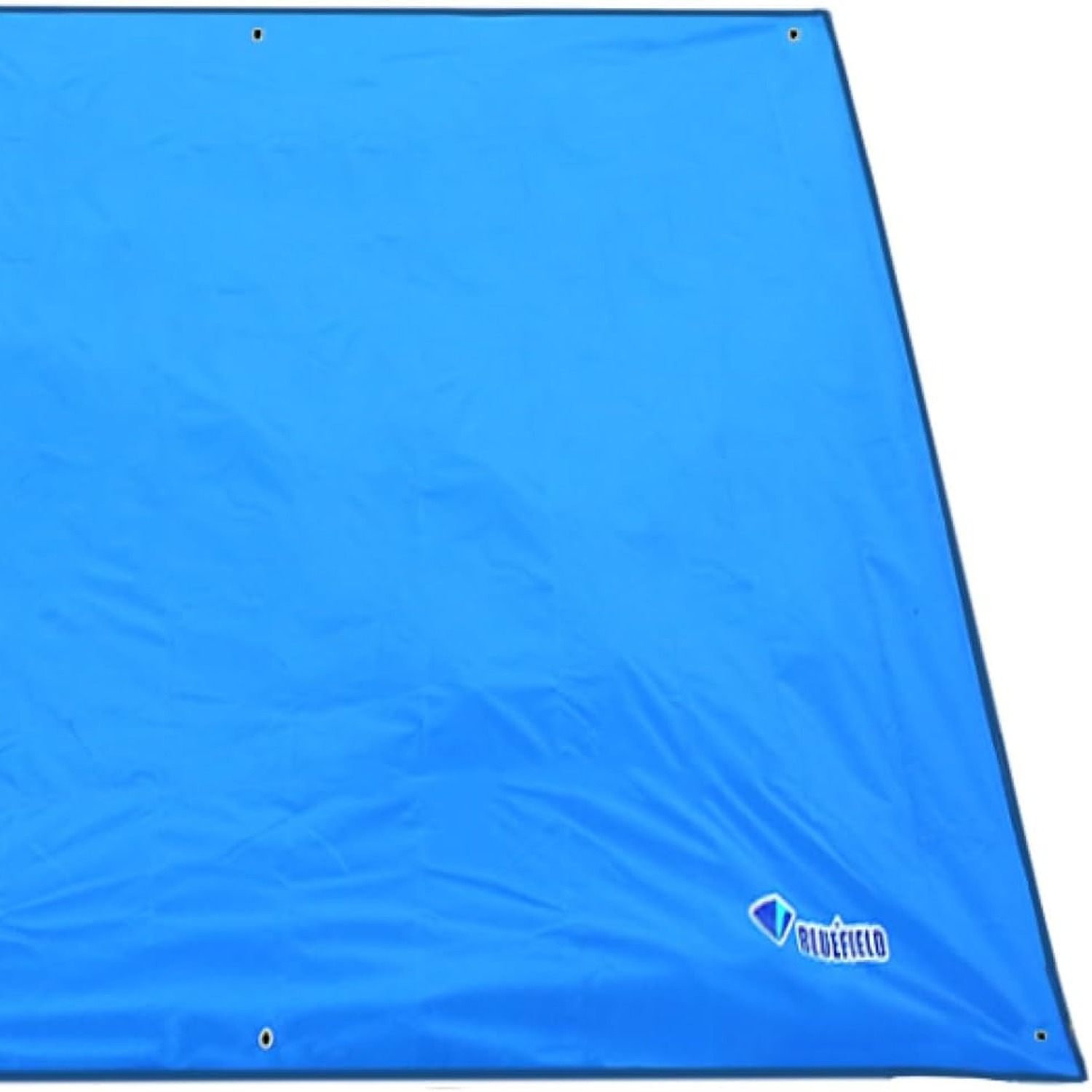
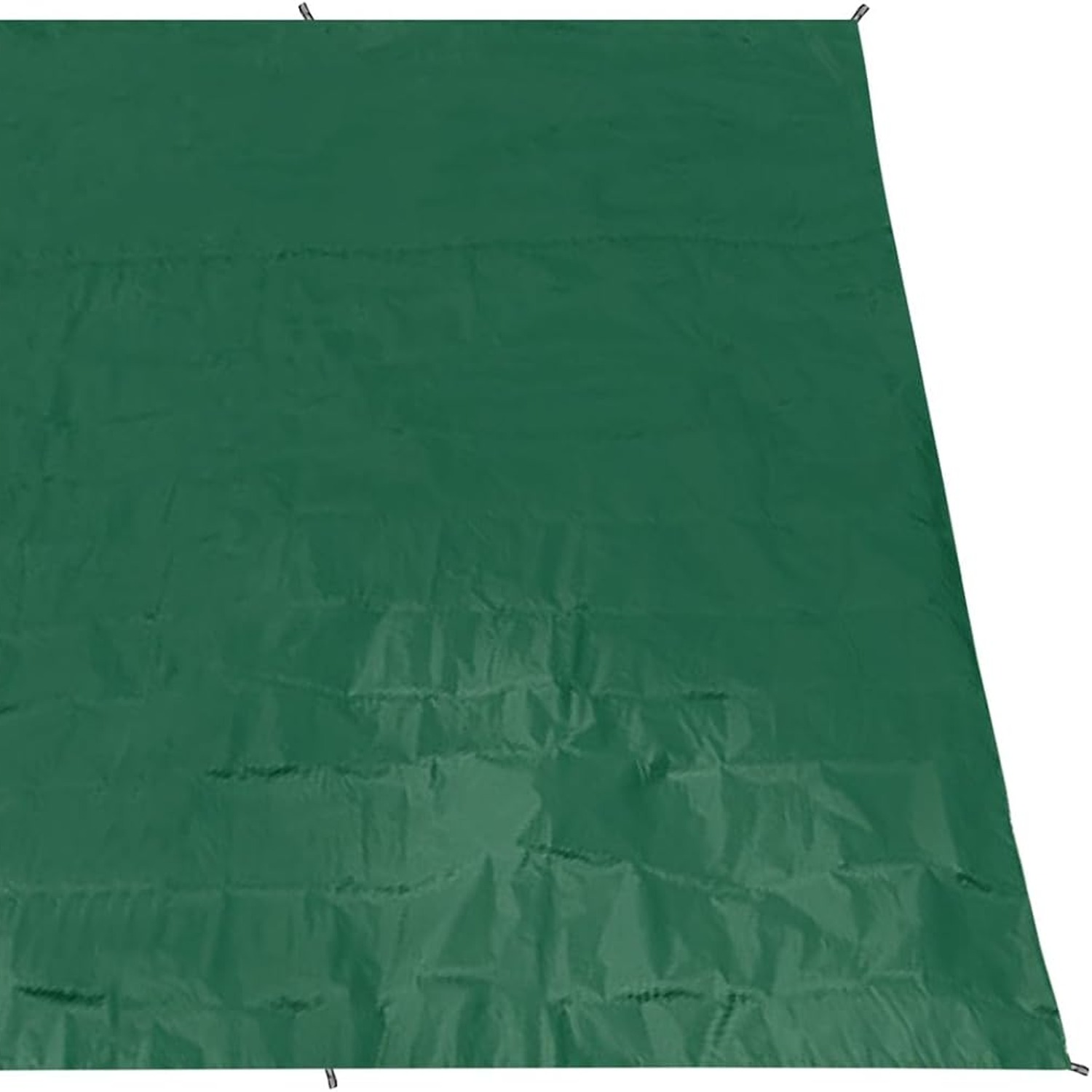
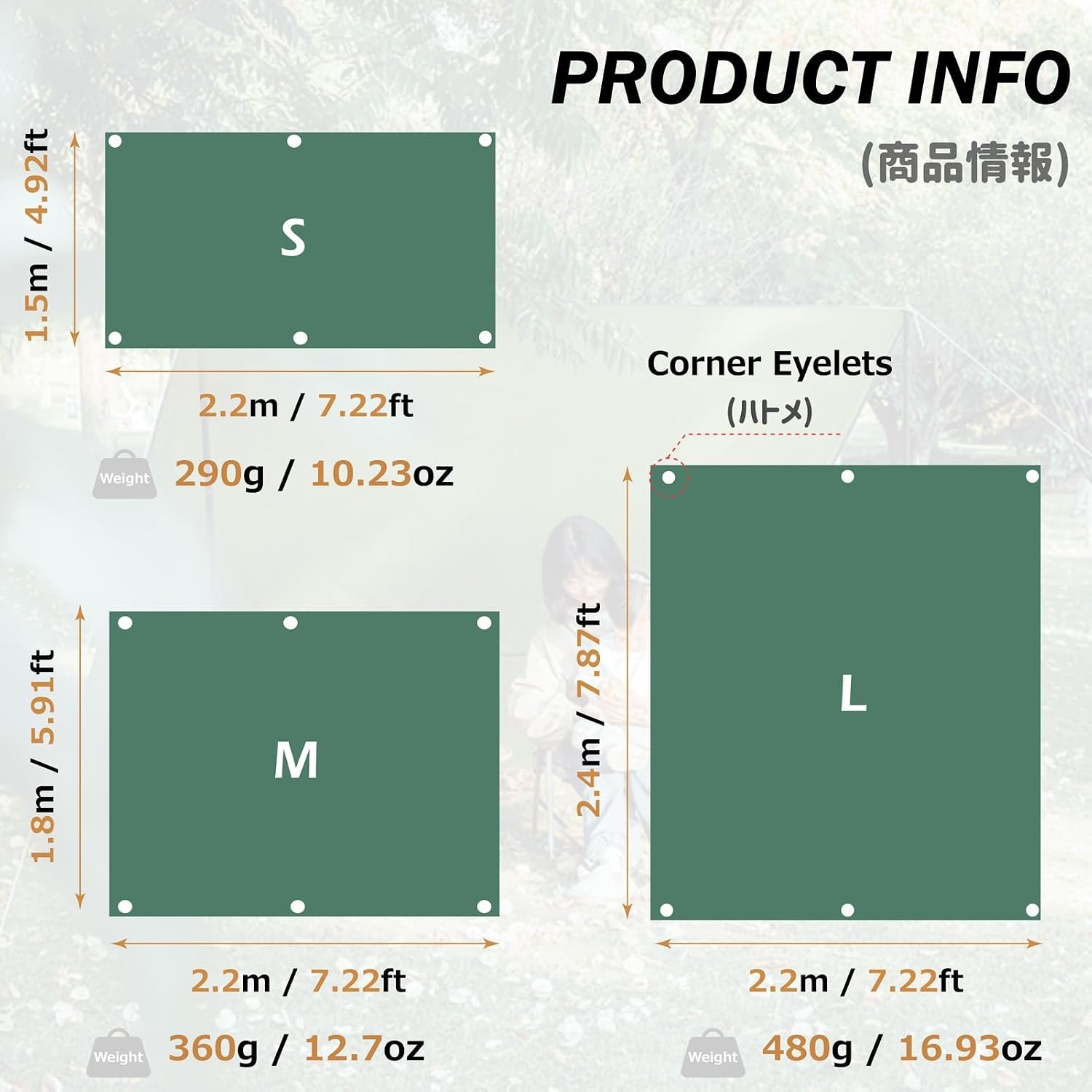
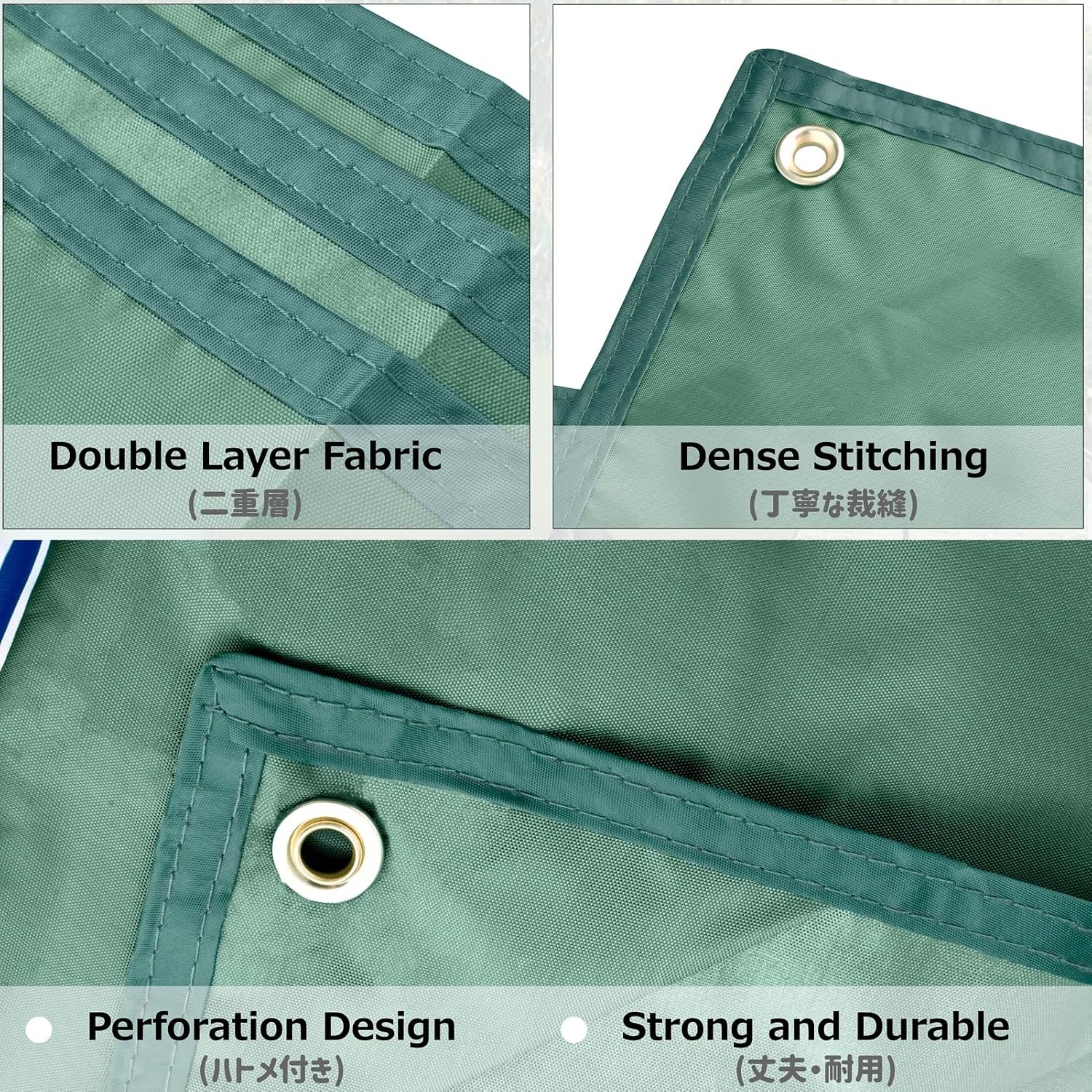
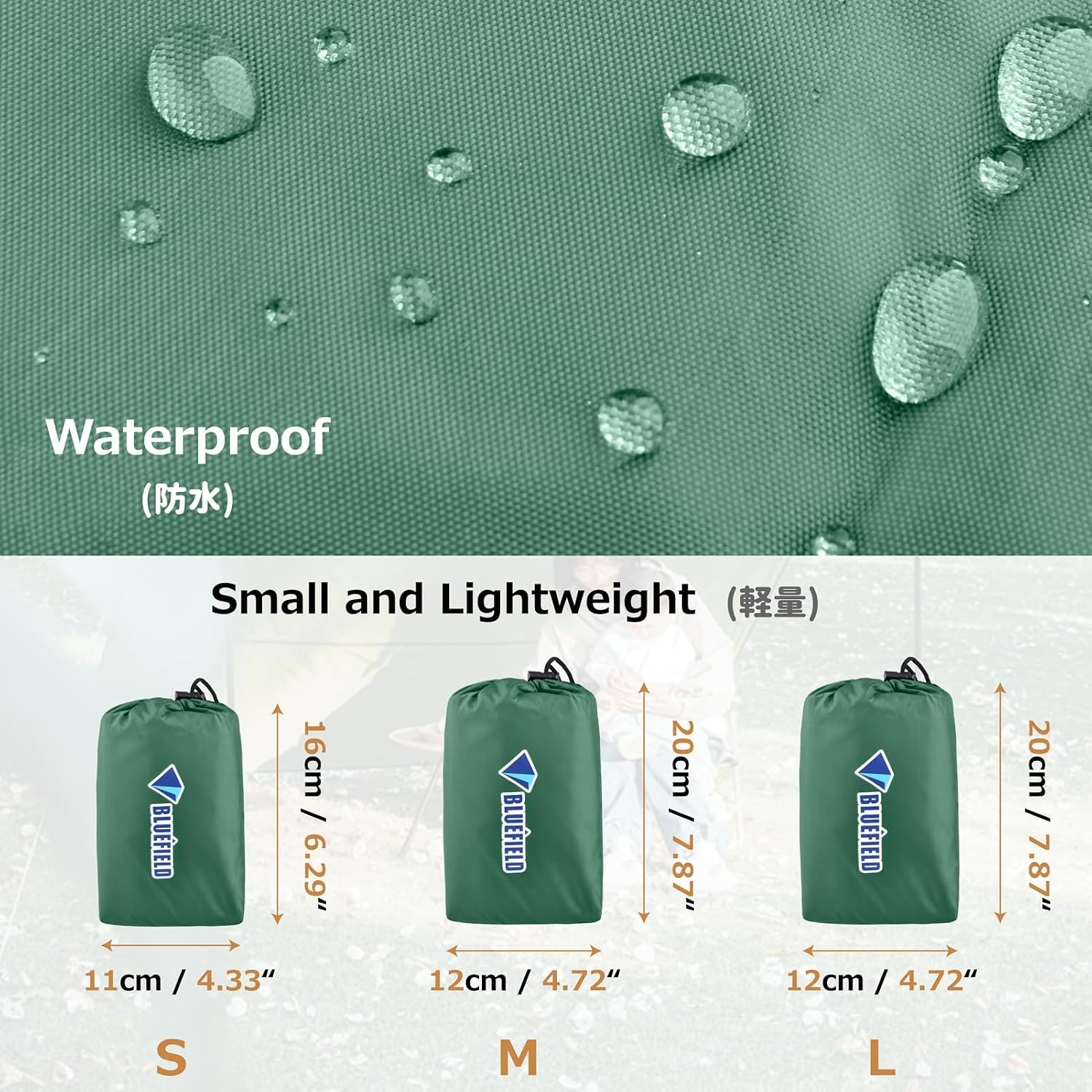
A tent footprint fixes that for a fraction of the price. It is a rectangle of tough fabric that sits under the tent and takes the abuse first. This one is a 1.8 x 2.2 m sheet of Oxford cloth with a waterproof treatment, metal grommet eyelets around the edge, and a storage pouch so it packs down and stays tidy.
How a footprint actually works
Two things are going on at once.
The first is simple physical protection. Every stone, twig and bit of stubble under your tent is a small abrasive point. When you move in your sleep, that point rubs. Over enough nights it wears the coating off and then wears through the fabric. A 420D Oxford sheet underneath absorbs that rubbing instead. Oxford is a woven synthetic with a tight basketweave structure, which is why it handles scuffing better than the lighter fabrics used in tent floors.
The second is moisture. Ground is almost never as dry as it looks. Even in good weather, soil releases water vapor overnight, and that vapor hits the cold underside of your tent and condenses. You feel it as a clammy sleeping bag and a damp mat. A waterproof camping tarp between the ground and the tent blocks that transfer. It is the difference between waking up dry and waking up wondering whether it rained.
There is a third benefit that is more practical than technical. When you pack up, the mud is on the footprint rather than the tent. You roll the tarp mud side in, deal with it later, and your tent goes away reasonably clean.
Getting the size right
This is the part people get wrong, so it is worth spelling out.
Your footprint should be the same size as your tent floor or slightly smaller. Never larger. If the tarp sticks out past the edge of the tent, rain running off the flysheet lands on the exposed fabric, runs sideways, and gets channelled straight underneath you. You have built a funnel. The fix is easy: fold the extra under so the footprint sits a few centimeters inside the tent edge all round.
At 1.8 x 2.2 m, this medium size suits most two person tents and a fair number of compact three person models. Measure your tent floor, which is usually printed in the specs as something like 210 x 140 cm. If your tent floor is smaller than the tarp, fold. If it is noticeably larger, the tarp will still protect the middle of the floor, which is where most of the wear happens anyway, but the corners will be unprotected.
For a solo hiker who wants the lightest option, a smaller sheet makes sense. For family tents, you want something wider. The best tent footprint for you is the one that matches your actual tent, not the biggest one you can find.
Using the eyelets
The metal grommet eyelets are what take this from a plain ground sheet to something more flexible.
Flat on the ground, they let you peg the corners down before you pitch. That stops the tarp sliding around or blowing away while you are still threading poles. It matters more than you think on a windy site.
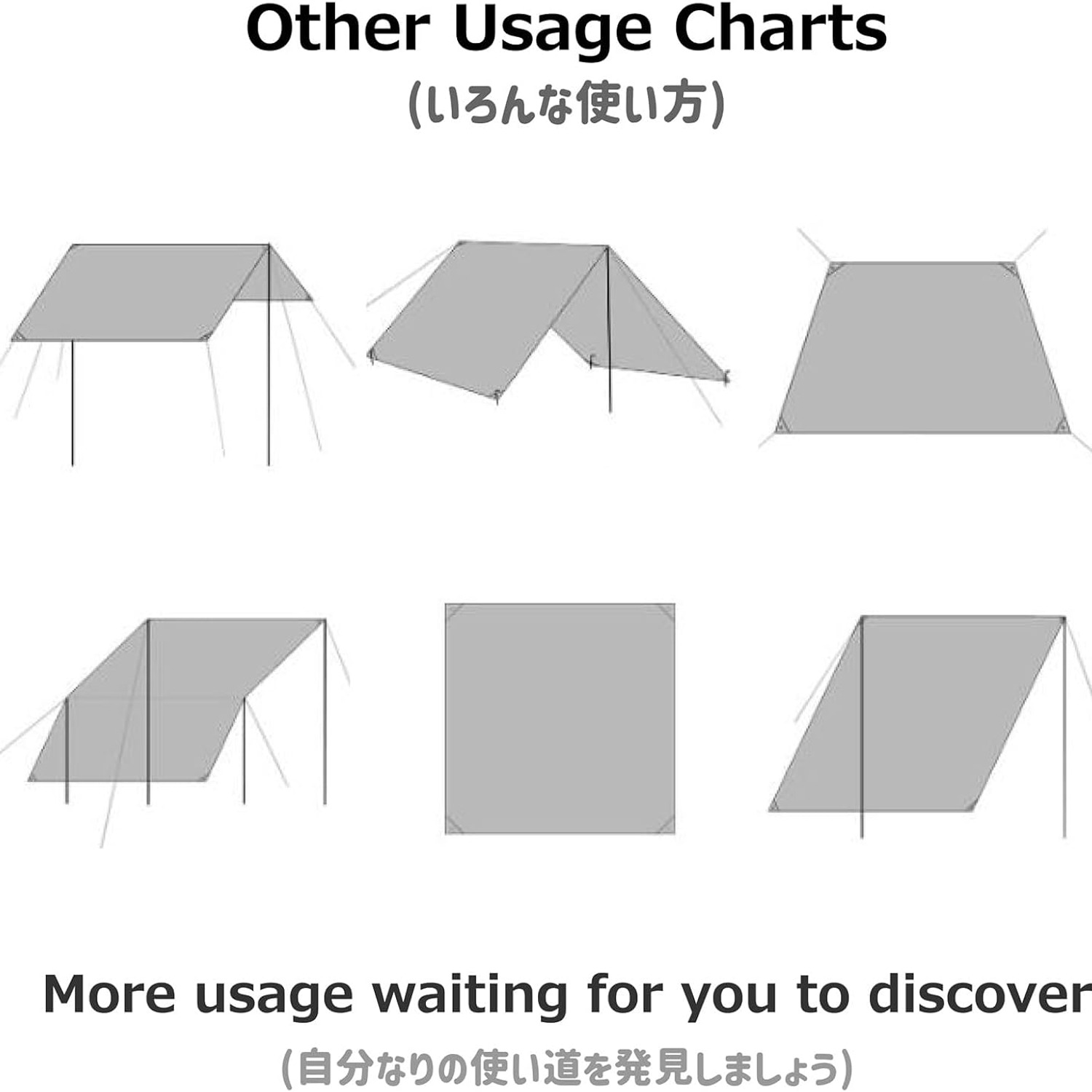
Rigged overhead, the eyelets let you turn it into a simple shelter. Run cord through two eyelets to trees, pull the other side down to pegs, and you have a lean-to that keeps rain off the cooking area. Lift all four corners with poles and you have a basic sun canopy. Always build in a slope so water runs off one edge. A flat rig collects a pool of rainwater, and that pool is heavier than you expect.
One honest note. The product details list ultraviolet protection as false, so there is no published UV rating. It will still create shade, but if blocking UV is your main reason for buying, you want a tarp with a stated rating.
Who this suits
Weekend campers get the most obvious benefit. If you camp four or five times a year on mixed ground, a footprint is the single cheapest bit of insurance for your tent.
Hikers carrying their kit will weigh up the 367 grams. That is not ultralight, but it is not heavy either, and the trade-off is a sheet that will not shred on the first sharp rock. If you walk in to rough, stony campsites, the extra weight usually earns its place.
Families and festival campers will probably use it as much outside the tent as under it. It becomes the picnic ground mat, the place boots get left, the clean patch for a toddler to sit on. The army green color hides stains well, which is handy when it ends up doing all of those jobs in one weekend.
Car campers barely need to think about it. It lives in the tub with the pegs and gets pulled out whenever a dry, clean surface would be useful, which turns out to be often.
What to look for when comparing tarps
A few things actually matter.
Fabric denier tells you how thick the yarn is. Higher numbers generally mean tougher fabric and more weight. The 420D Oxford used here sits in the practical middle, tougher than a lightweight tent floor but not a heavy canvas.
Waterproofing is usually a coating on one side. Most ground sheets, including this one, are described simply as waterproof rather than carrying a hydrostatic head figure. For ground use, a coating is what you want, since the job is blocking damp rather than resisting high pressure.
Eyelets need to be metal and set into reinforced fabric. Plastic eyelets pull out. Check the corners, because that is where the load goes.
Packed size and a bag matter more than people admit. A tarp with no stuff sack ends up as a crumpled lump that nobody wants to pack. The included pouch here keeps it manageable.
Looking after it
The rules are short.
Shake the dirt off before folding. Grit trapped in the folds grinds at the coating every time the tarp moves in your pack.
Clean it with cool water, a sponge and a little mild soap. Skip the washing machine, bleach and the tumble dryer. Hot washing and harsh chemicals strip waterproof coatings faster than years of camping will.
Dry it fully before storage. This is the one that actually kills tarps. A tarp folded away damp goes musty, and surface mildew is hard to shift once it takes hold. If you had to pack it wet, hang it over a fence or a door for a few hours when you get home.
Keep it away from fire. Synthetic fabrics melt rather than scorch, and a stray ember leaves a hole.
Small punctures take adhesive repair tape on both sides. Clean and dry the spot first so the patch bonds properly.
The short version
A tent footprint is a cheap part that protects an expensive one. This medium 1.8 x 2.2 m Oxford tarp sits under a two person tent, blocks ground damp, and takes the scraping that would otherwise go into your tent floor.
The metal eyelets mean it works just as well pegged flat on a beach, strung up as a rough rain cover, or spread out as a picnic mat. At 367 grams packed into its own pouch, it is easy to carry and easy to forget about until the day it saves your gear.
Measure your tent floor, fold any extra under so nothing sticks out, dry it properly before you put it away, and it will keep doing its job for a long run of trips.