
The complete guide
Choosing a Wheeled Cooler Box, A Practical Buyer's Guide
The problem with carrying a full cooler
A cooler box is easy to underestimate. Empty, it feels like nothing. Load it with ice, a dozen cans, a few bottles of water and the lunch you packed at six in the morning, and suddenly you are shuffling sideways across a car park with your arms stretched and the plastic edge digging into your fingers.
That is the moment most people start looking at a wheeled camping cooler. The insulation inside a rolling cooler is not magic, and it is not very different from a standard hard box. What changes is whether you can actually get the thing from the car to the spot you picked.
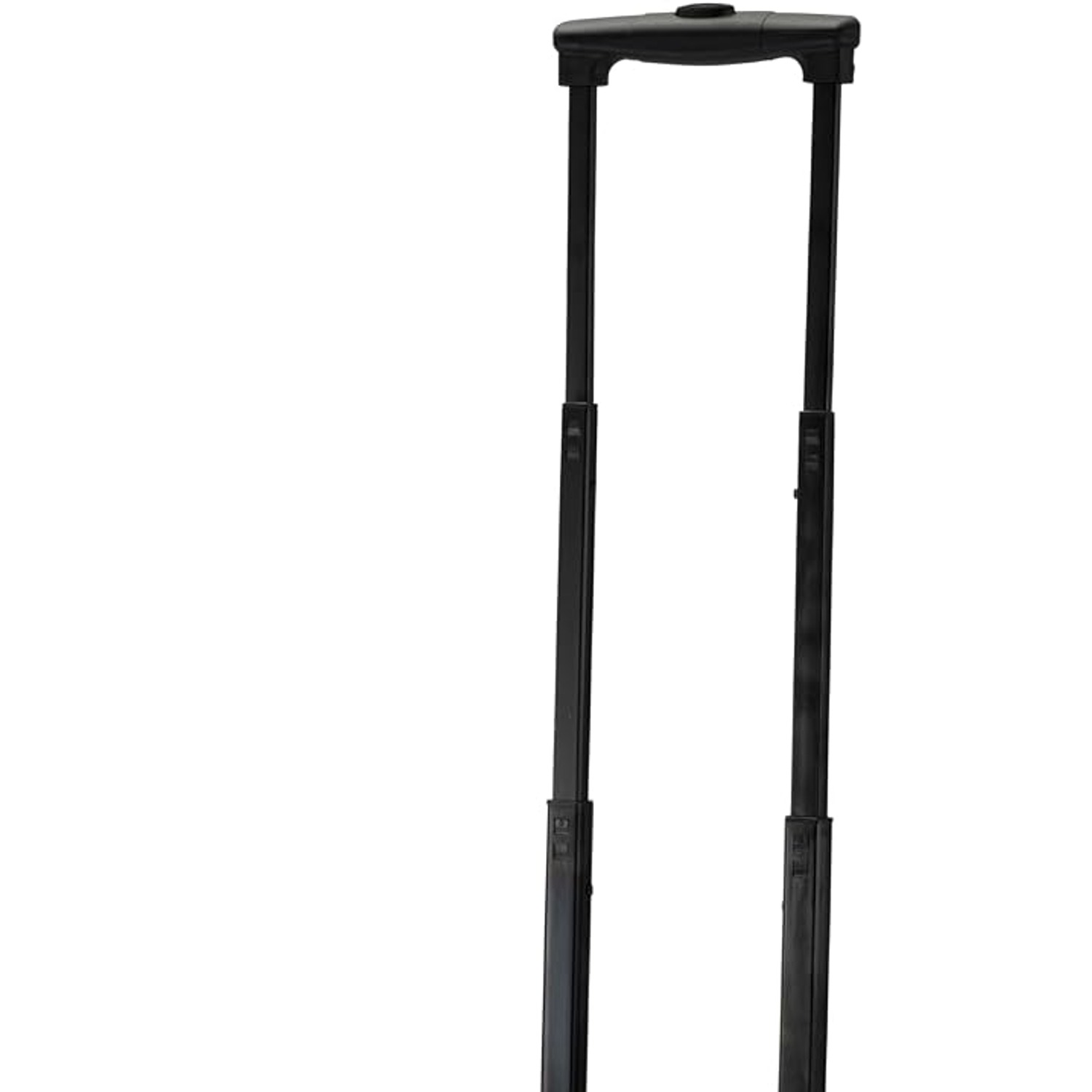
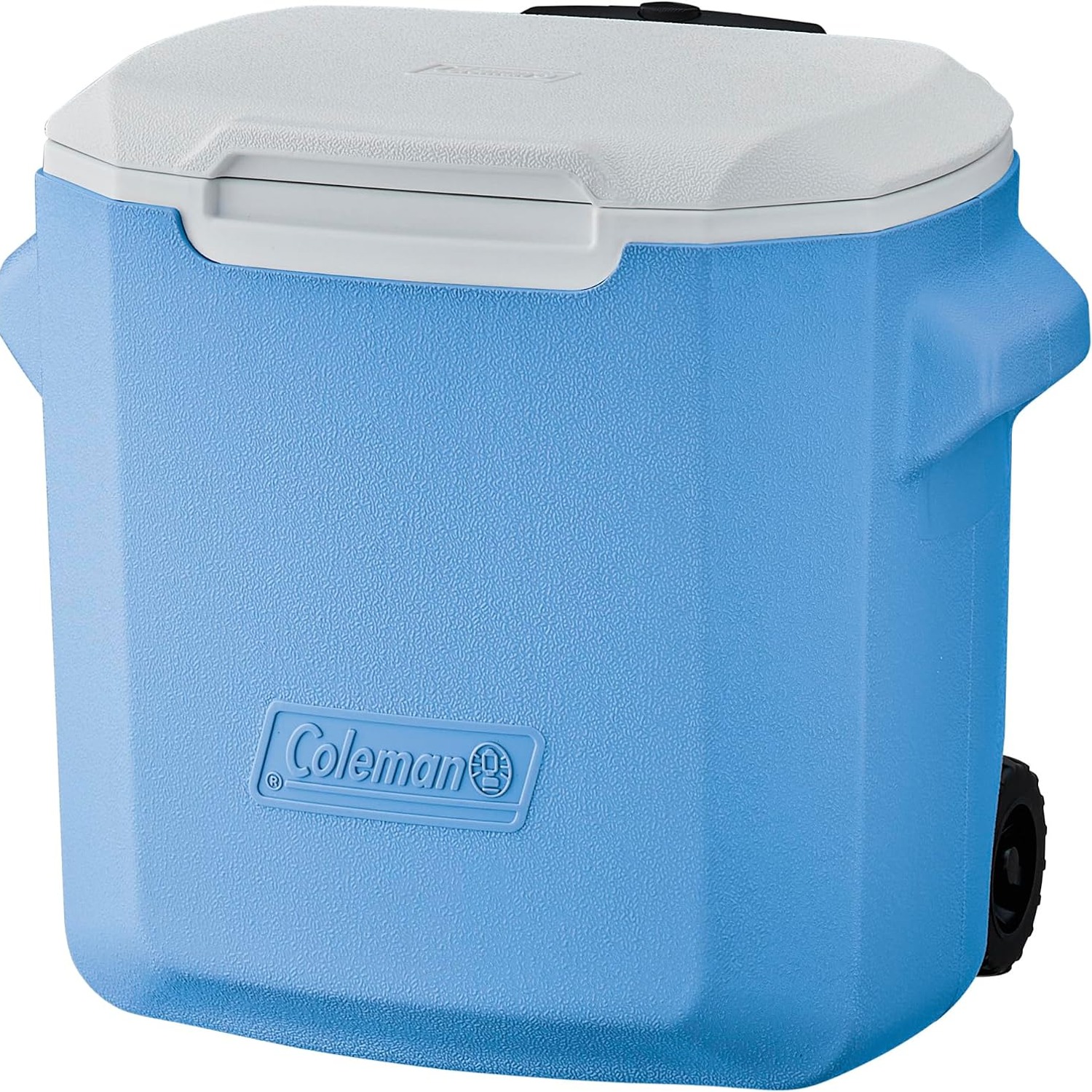
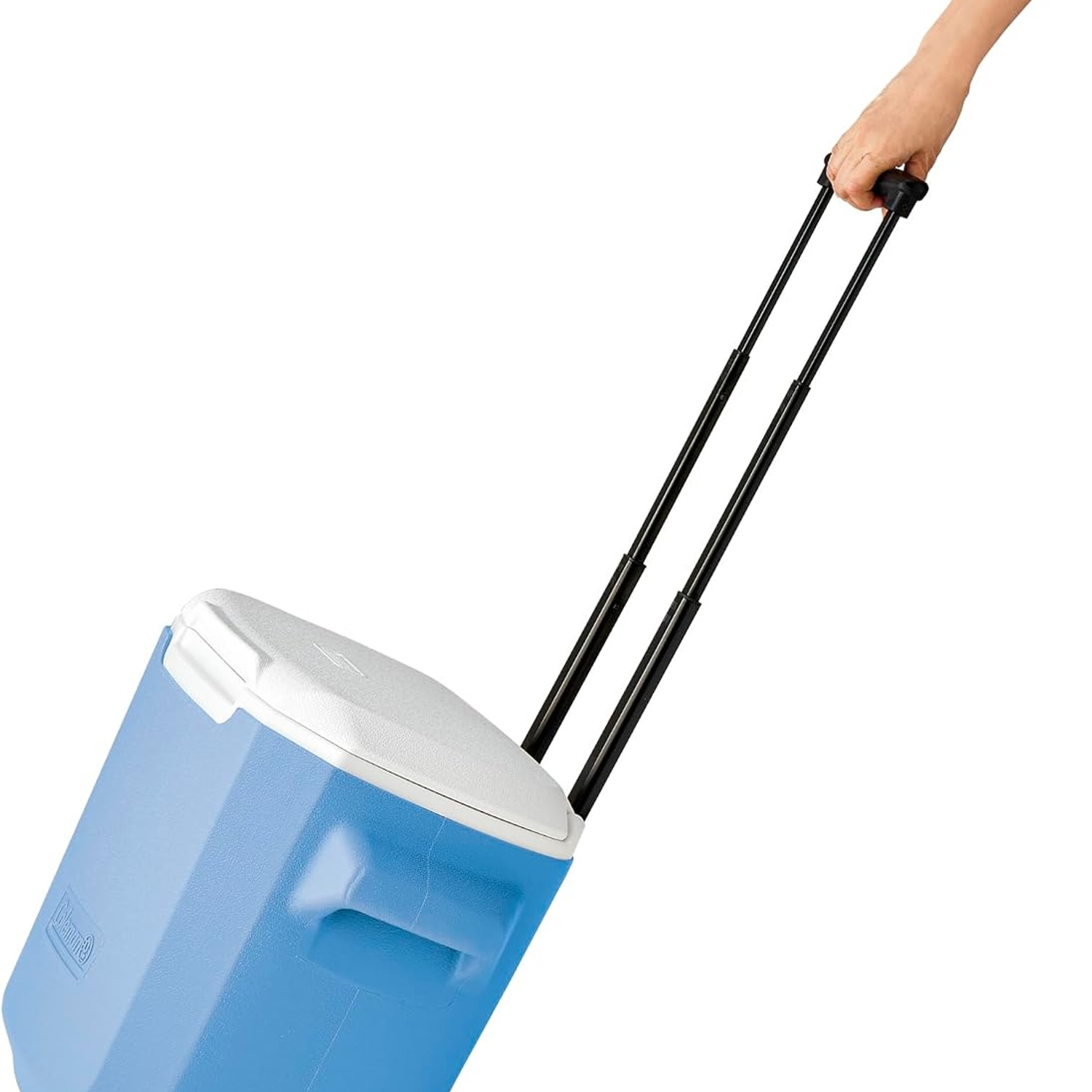
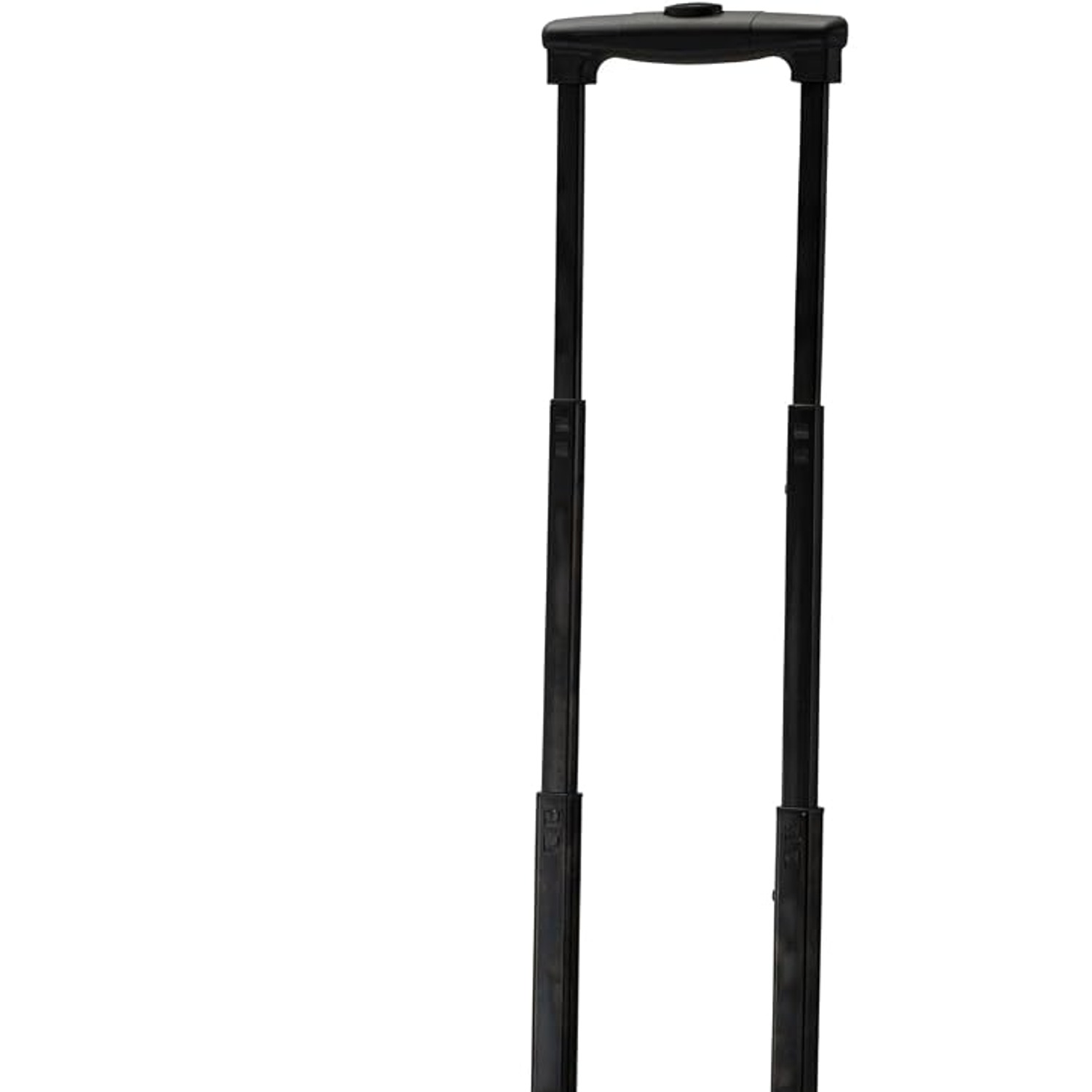
The Coleman 26 liter wheeled cooler takes that problem seriously. Wheels, a telescoping handle, a hard polyethylene shell and 26 liters of space inside. You extend the handle, lean it back and walk. The load is on the ground, not on your spine.
How a cooler actually keeps things cold
It helps to understand what is happening inside the box, because it changes how you pack it.
A cooler does not create cold. It slows heat from getting in. The polyethylene insulation sits between the outer shell and the inner chamber and resists heat transfer. Everything you do, or fail to do, either helps that insulation or works against it.
Three things matter most. First, how cold the contents are when they go in. A warm six-pack will burn through your ice before lunch. Second, how full the cooler is. Air warms up fast, so empty space is wasted cooling capacity. Third, how often you open the lid. Every opening dumps the cold air out and pulls warm air in.
Coleman rates this cooler at roughly two days of cold retention when used properly. That phrase, "used properly", is doing real work. Two days is achievable on a shaded camp site with a well-packed box that stays shut. It is not achievable with a half-empty cooler sitting on hot concrete in the afternoon sun while people root around in it every ten minutes.
What 26 liters actually gets you
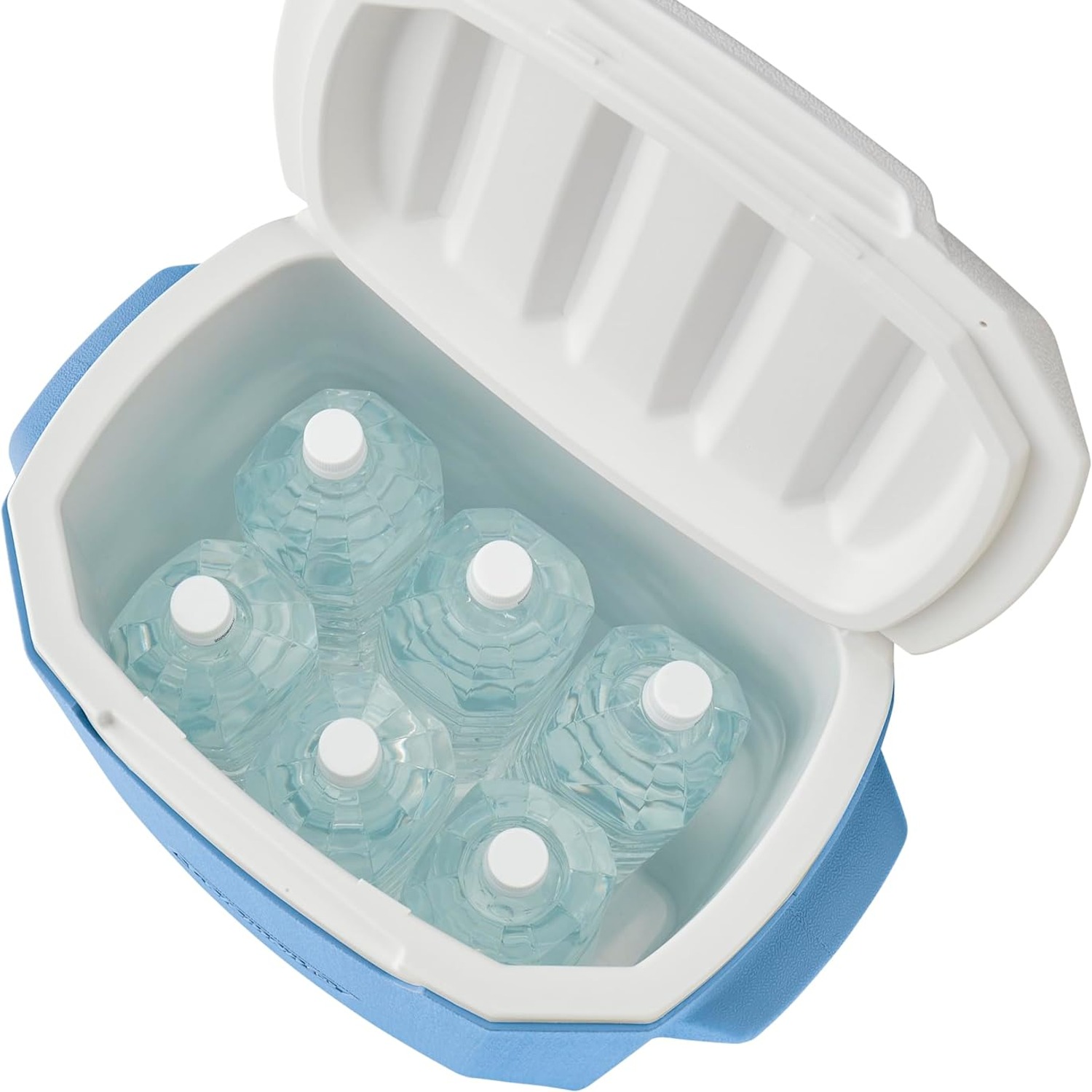
Capacity numbers on coolers are hard to picture. The useful reference here is that this one takes six 2 liter plastic bottles standing upright. The chamber depth is listed at 14 inches, which is why the bottles stand rather than lie down.
For a family day out, 26 liters covers drinks and lunch comfortably. For a couple on a weekend camp, it covers two days of food and cold drinks if you plan the meals. For a group of eight at a sports carnival, it will keep the drinks cold but you will probably want a second box for food.
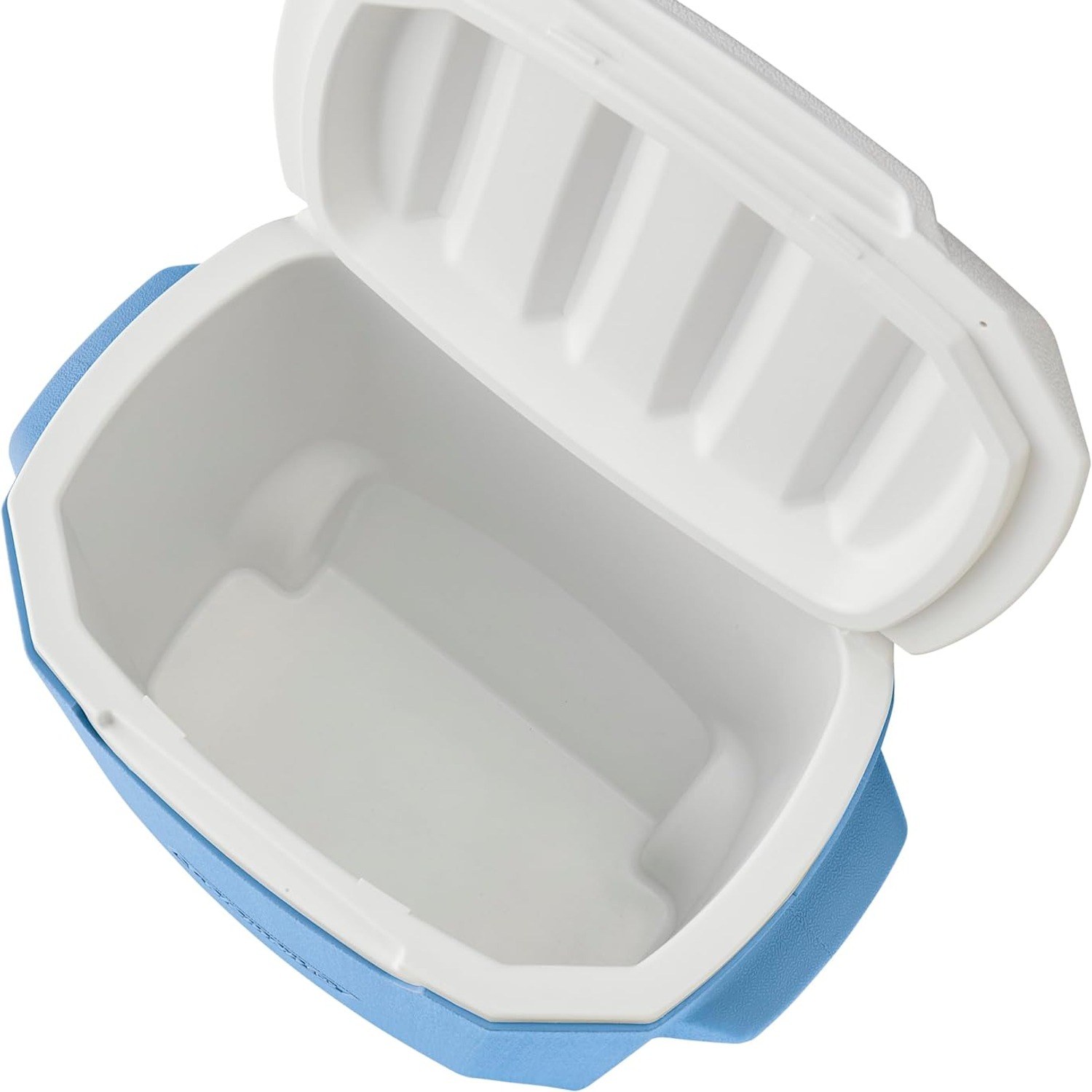
The deep chamber is worth noting. A deep, narrow cooler holds tall items properly and stacks better than a wide, shallow one of the same volume. Bottles stay upright. Ice settles down around them instead of sliding off the top.
Who this suits
Think about where you usually set up. If the answer involves walking any real distance from the car, wheels pay for themselves on the first trip.
Campers get the most out of a rolling cooler. Camp sites are rarely right next to the parking bay, and the ground is usually firm enough for wheels. Same with picnic grounds, riverside spots and sports fields, where you often have a path or mown grass to roll across.
Beach users do well too, with one caveat. Wheels are brilliant on the boardwalk and the car park, and much less brilliant in soft, deep sand. Plan to set up near the access point or accept a short carry at the end.
The group that benefits most might be parents at weekend sport. You are already loading chairs, bags and a folding table. Being able to pull the drinks instead of carrying them is a genuine relief by the third fixture of the season.
Choosing between cooler types
The market splits roughly into three. Soft coolers are light, pack flat and suit short outings, but they offer less insulation and no structure. Hard coolers hold temperature longer and protect contents, but you carry them. Wheeled hard coolers like this one sit in the middle, giving you hard-cooler performance with the transport solved.
The trade-offs are honest. A wheeled model is slightly bulkier than a plain box of the same volume because the wheels and handle take up room. It is also slightly heavier empty. In exchange, a full load becomes something you can move by yourself.
If you only ever carry the cooler ten steps from the boot to a table, a plain hard box is simpler. If you regularly cross a car park, a field or a path, the wheels change the whole experience.
Packing it so it performs
Pre-chill the cooler the night before. Drop in a bag of ice or a few frozen bottles, close the lid and leave it. In the morning, tip that out and pack the real load. You will be starting from a cold shell instead of a warm one.
Pack cold. Everything that goes in should already be refrigerated or frozen. The cooler maintains temperature far better than it drops it.
Fill the gaps. If the cooler is only two-thirds full, add ice, frozen bottles or even a rolled towel to cut down air space. A full cooler holds its cold considerably longer than a half-empty one.
Bag everything. Coleman specifically recommends placing contents in a bag or container before use. Loose items sitting in meltwater end up soggy, labels peel off and the clean-up is worse. Sealed containers also let you drain the base without disturbing the food.
Keep it shaded. Direct sun on a dark plastic shell is the single biggest drain on performance. Park it under the tent awning, behind the car or under a tree.
Looking after it
Cooler care is simple and mostly about drying. Empty and drain it when you get home. Wash the inside with warm water and a mild detergent, then rinse and wipe it out.
The important step is the last one. Leave the lid open until the interior is bone dry before you store it. Sealing a damp cooler is how you end up with that stale smell that never quite leaves. If it does develop, a wipe with a weak bicarbonate of soda solution and a day of airing in the shade usually fixes it.
Give the wheels a wipe too. Sand and grit in the axles is the main reason wheels get stiff on any rolling cooler. Ten seconds with a damp cloth after a beach trip saves you trouble later.
Store it out of direct sunlight. UV is hard on plastic over the years. A garage shelf or a shaded corner of the shed is ideal, lid cracked open.
Common mistakes worth avoiding
Opening the lid constantly is the big one. Decide what you want, open once, take it all out. Every peek costs you cold.
Using only cubed ice is another. Cubes have more surface area and melt faster. Block ice, frozen bottles or gel packs last considerably longer, and frozen water bottles double as drinks when they thaw.
Overloading past the lid line stops the seal closing properly, which undermines the whole thing. If the lid will not shut flat, take something out.
And treating the lid as a bench or a seat is a slow way to damage the hinge. Use a chair.
The short version
This is a 26 liter hard cooler from Coleman with wheels, a telescoping handle, a polyethylene shell and polyurethane foam insulation. It measures 42 cm by 34 cm by 42 cm, takes six upright 2 liter bottles, and is rated for roughly two days of cold when packed and used well.
Choose it if you regularly move a full cooler any distance, if you camp or spend weekends at sports grounds, or if you simply want to stop hauling an esky across a car park. Pre-chill it, pack it full, bag the contents, keep it shaded, and dry it out before storing. Do those five things and it will do exactly what you bought it for.