
The complete guide
The Honest Buyer's Guide to Ultralight Camp Chairs
The problem with sitting outdoors
Anyone who has spent a night in the bush knows the routine. You get to camp, drop the pack, and then look around for somewhere to sit. There is a log that is too wet, a rock that is too sharp, and the ground, which is fine for about ten minutes until your lower back starts complaining. So you end up lying in the tent at seven in the evening because that is the only comfortable position left.
A chair fixes this instantly. The catch has always been weight. A standard folding camp chair runs two to four kilograms and takes up a chunk of boot space. That is fine when you drive to the campsite. It is not fine when you are carrying everything on your back for three days.
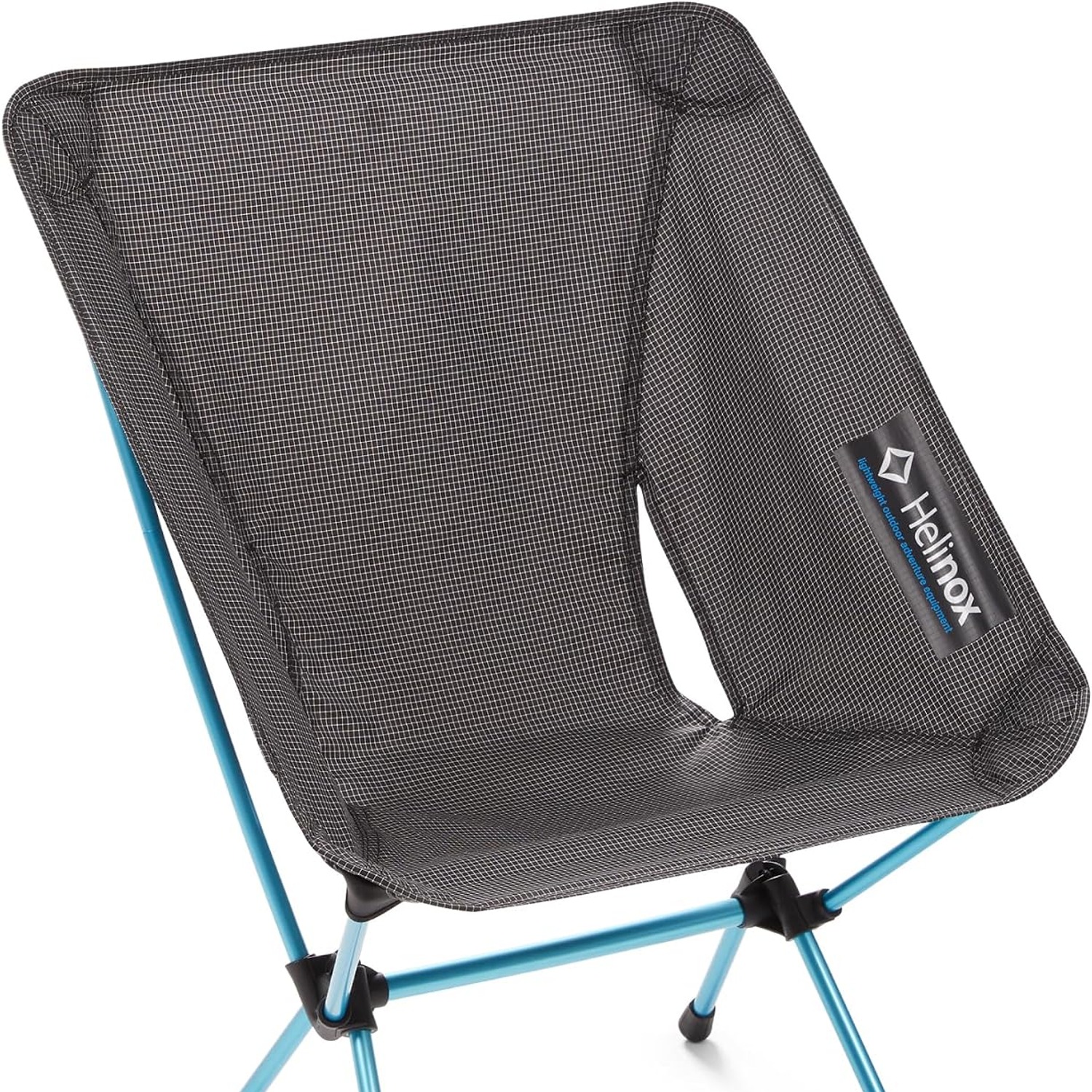
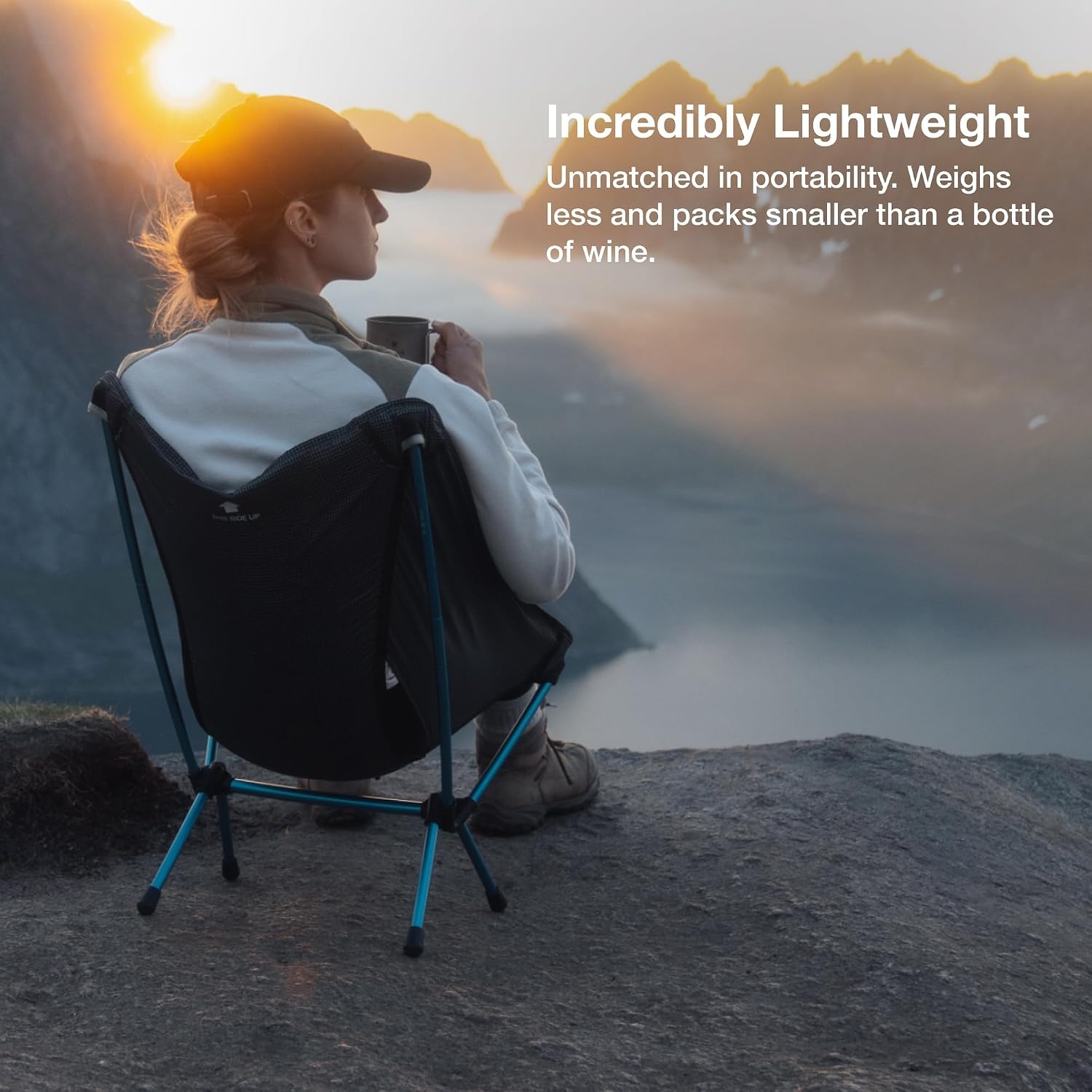
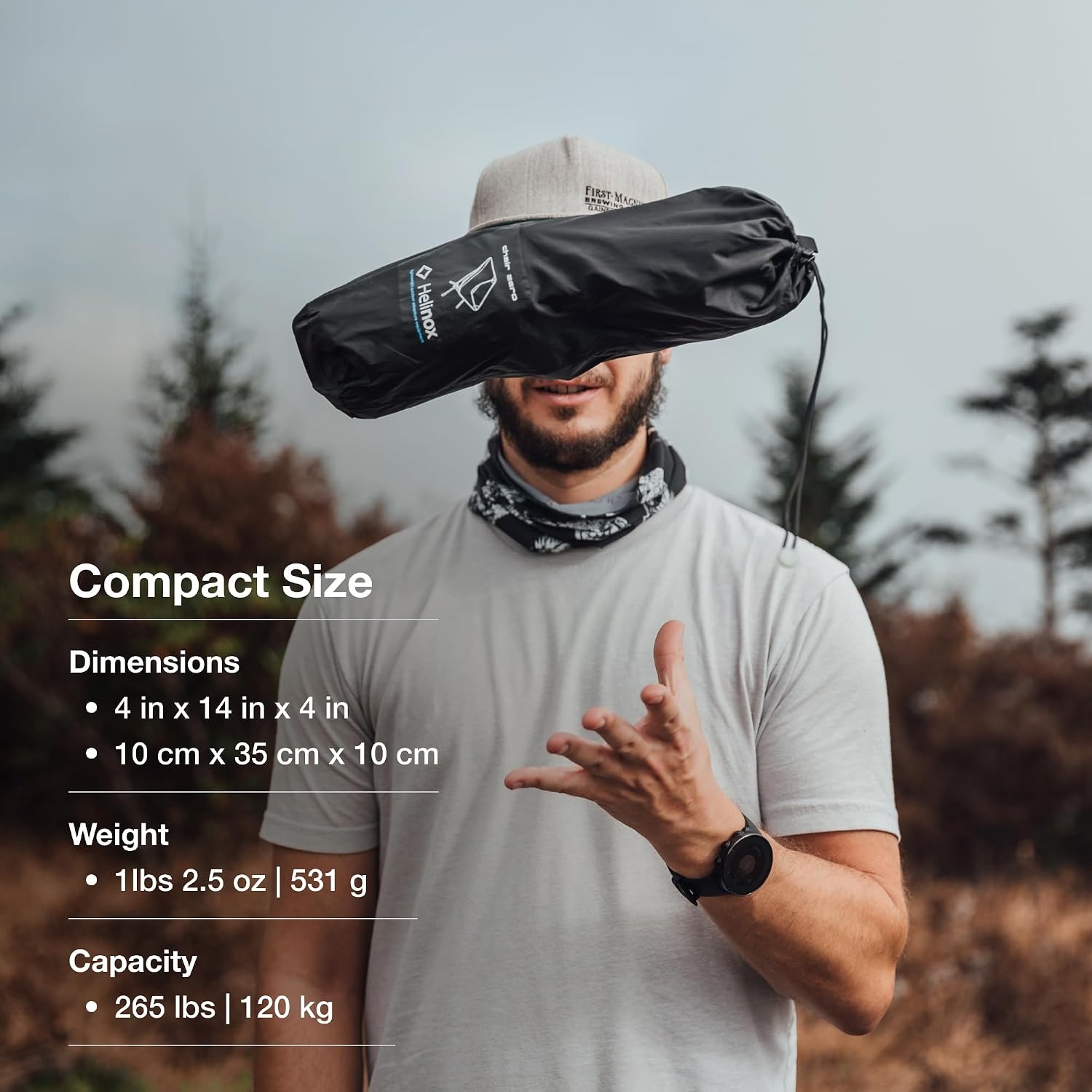
The Helinox Chair Zero exists in that gap. At 510 g packed it is light enough to bring on trips where you would normally go without. It has a back, a stable base and a 120.2 kg weight rating, so it is a real chair rather than a novelty. The question for most buyers is not whether it works. It is whether it suits the way they actually spend time outside.
How the chair works
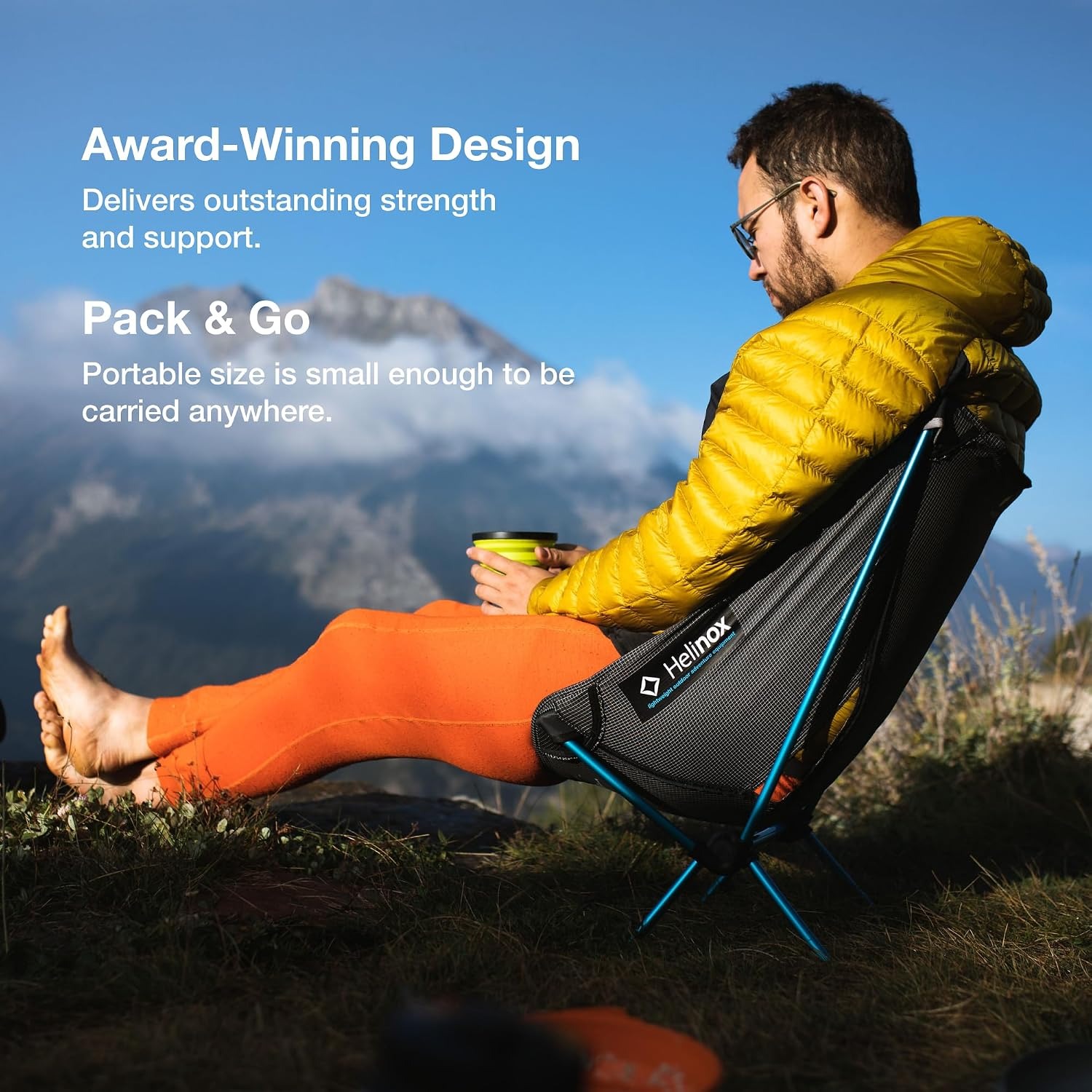
The design is simple and it has not changed much because it does not need to. A set of aluminum poles is threaded with an internal shock cord. You pull the bundle out of its case, let the poles spring into their segments, and push the hub joints together. That gives you a frame shaped a bit like a wide letter A with two side rails.
Then you stretch the ripstop polyester seat over the four exposed pole ends. The last corner takes a small push, which is normal. The tension in the fabric is what makes the whole thing rigid. Once that fourth corner is seated, the chair is done.
Breaking it down is the reverse. Peel the seat off, fold the poles, slide everything into the case. The packed bundle is around 10 cm by 35 cm by 10 cm, which is short enough to sit upright in a pack next to a sleeping bag.
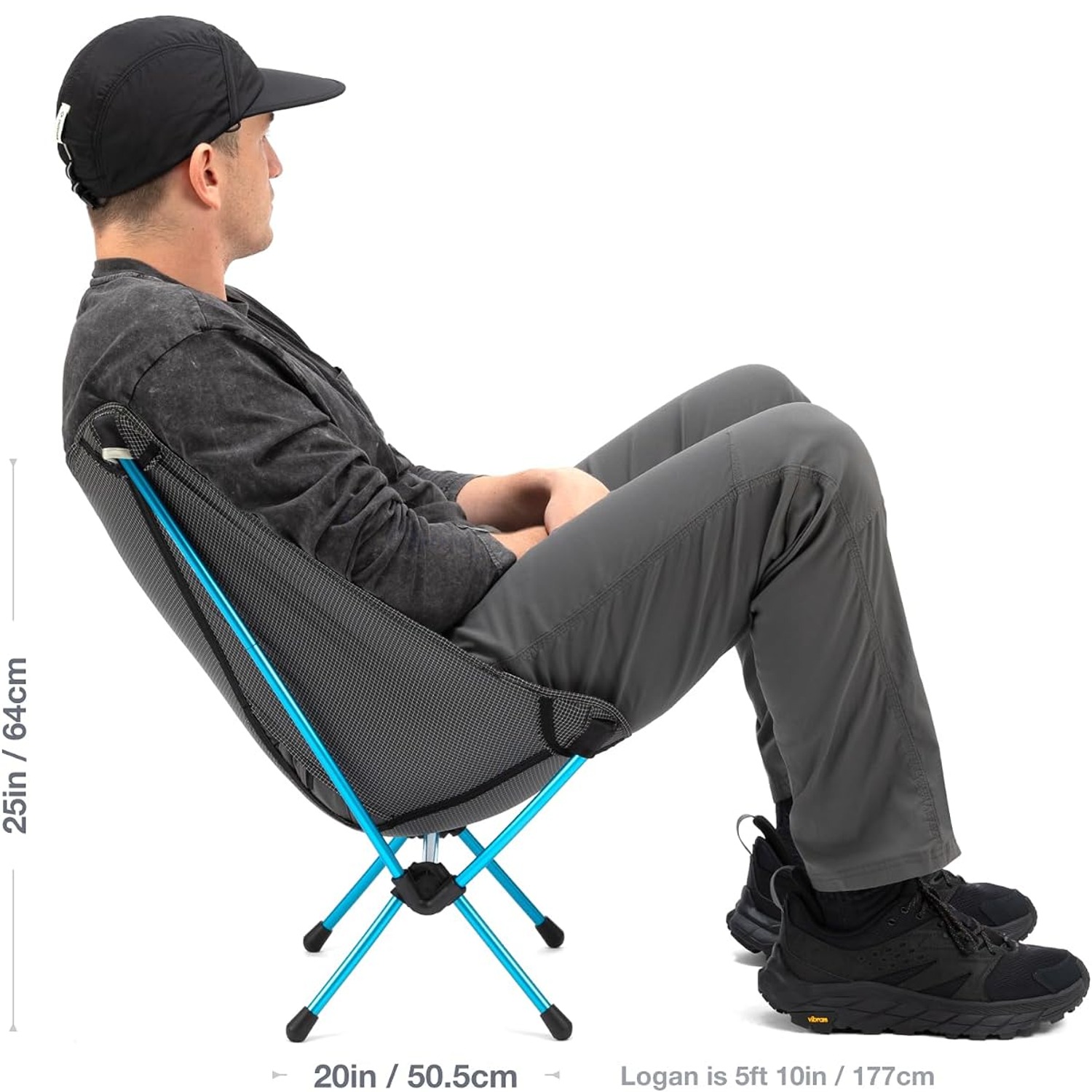
Set up, you get a chair about 64 cm tall with a 48 by 52 cm footprint. Seat height is 8.5 inches. That low position is intentional. It drops your center of gravity so the chair does not tip on uneven ground, and it puts you at a sensible height for a stove, a campfire or a low picnic table.
Who it suits
Backpackers and thru hikers. This is the obvious crowd. If you count grams, a chair is usually the first thing cut. At half a kilo the maths changes. Plenty of people who swore they would never carry a seat now take one, because the recovery you get from sitting properly after twenty kilometers is worth more than the weight.
Bikepackers and paddlers. The short packed length matters more here than the weight. It straps to a handlebar roll or drops into a kayak hatch without fighting you.
Car campers who want less bulk. If you camp with a family, four of these take up roughly the space of one traditional camp chair. That difference is real when the boot is already full.
Photographers, birdwatchers and spectators. Anyone who waits in one spot for long stretches. A compact festival chair that you barely notice carrying is useful well beyond the campsite.
Who it suits less well. If you have knee or hip problems, the low seat height can make standing up awkward. If you want to doze in a reclined position, this is not that chair, as it has a single fixed seat angle. And if your chair lives permanently on a deck in the sun, a heavier patio chair will outlast it.
How to choose an ultralight chair
A few things actually matter when you compare options in this category.
Start with packed size, not just weight. Two chairs can weigh the same and pack very differently. A short bundle that fits inside your pack beats a long one that has to be strapped outside where it snags on branches.
Then look at the weight rating. Ultralight gear sometimes achieves its numbers by cutting capacity. A 120.2 kg rating covers most adults with room to spare, which is not always the case with the lightest options on the market.
Check seat height against your own body and how you camp. Low chairs are stable and work well at fire height. Higher chairs are easier to stand up from. Neither is better, they are just different.
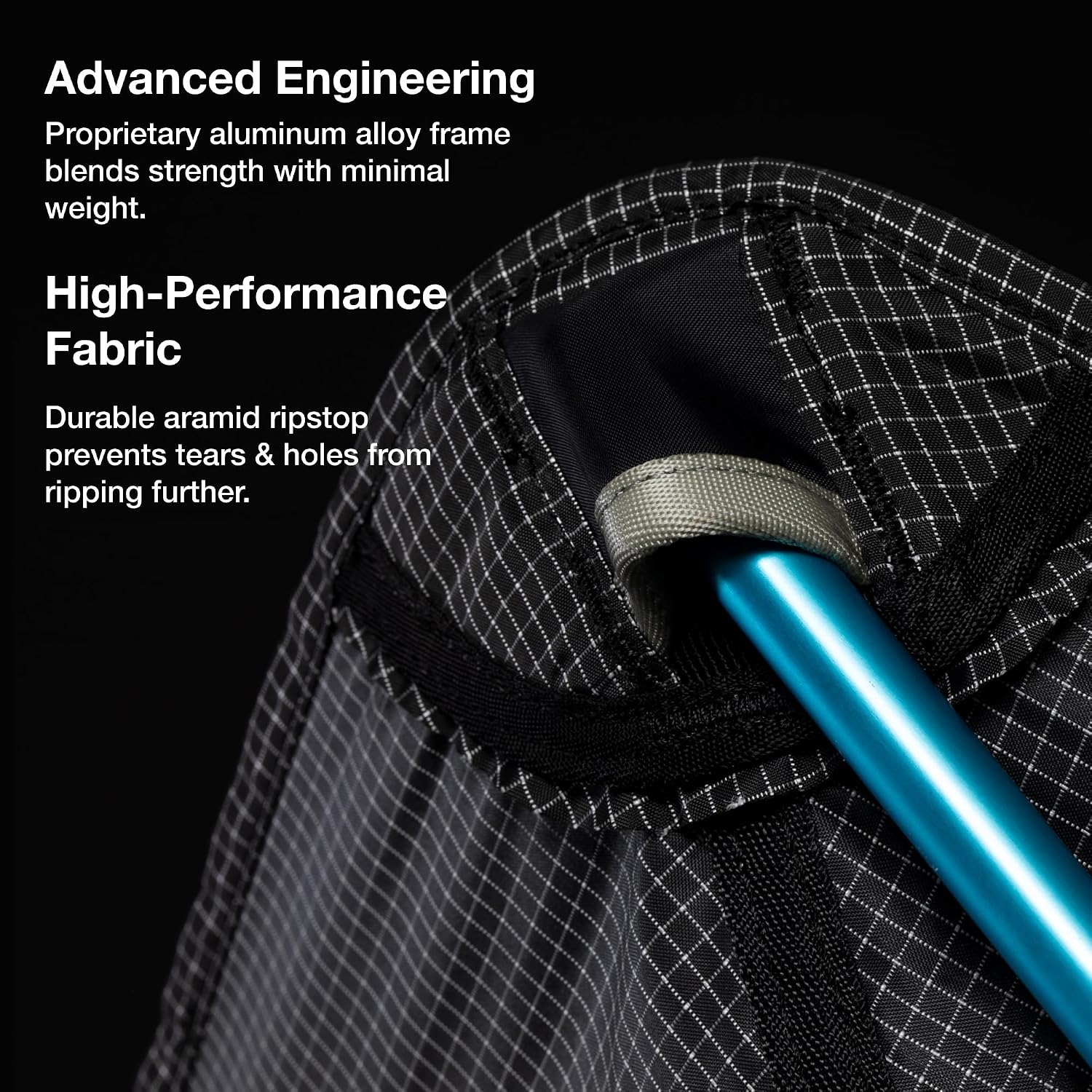
Fabric matters for longevity. Ripstop weaves use reinforcing threads in a grid pattern so a small puncture stays small. That is worth having on gear that gets dragged through scrub.
Finally, think about set-up time. Shock-corded poles are quick and forgiving. If you are putting a chair up in the dark with cold hands, that counts.
Getting the most out of it
A few habits make an ultralight folding chair last years rather than a season.
Watch the feet on soft ground. The contact points are small, so on dry sand or soft mud they can sink. A flat stone, a bit of foam or even your stuff sack under each foot spreads the load and stops the chair from slowly burying itself.
Do not rock back on two legs. The frame is built for even loading. Rocking puts all the force through one hub joint, which is exactly where you do not want it.
Set it on reasonably flat ground. The chair is stable for its weight, but a steep slope will always be uncomfortable and will push the frame sideways.
Take the seat off the poles for storage if you are putting the chair away for the off season. It takes the constant tension off the fabric corners, which are the hardest-working part of the whole design.
Care and storage
Care is straightforward. Wipe the aluminum frame and the polyester seat with a damp cloth and a little mild soap. After a beach trip, rinse the sand out of the pole joints, because grit in a hub is what causes stiffness later. Salt is harder on aluminum than fresh water, so a quick rinse is worth the effort.
Dry everything before it goes back in the case. Packing a damp chair into a sealed bag is the fastest way to get a musty seat. Do not machine wash or tumble dry the fabric, and skip harsh solvents, which can strip the coating.
Store it in its carry case somewhere cool and out of direct sunlight. UV is the main enemy of any outdoor fabric, including good ripstop polyester. A chair kept in a cupboard between trips will look new for a long time. A chair left on a sunny balcony for two summers will not.
The manufacturer backs the chair with a five-year warranty, so if something fails that should not have, you are covered. Keep your order details somewhere you can find them.
The short version
The Helinox Chair Zero solves a problem that has annoyed campers forever. It gives you a proper seat with a back, for 510 g and a packed bundle small enough to fit in a pack. The aluminum frame goes together in under a minute, holds up to 120.2 kg, and stands 64 cm tall with a low 8.5 inch seat that stays planted on rough ground.
It is not a recliner and it is not a padded lounge chair. It is a lightweight, fixed-angle seat built for people who carry their own gear. If that is you, it is hard to beat. If you drive to your campsite and want to nap in the chair, buy something heavier and keep this one as the spare that lives in the car.