
The complete guide
Choosing a Solar and Hand Crank Camping Lantern
The problem with most camp lights
Camping lighting fails in predictable ways. You pack a lantern that worked fine last summer, and halfway through the first night it dims to a sulky orange. Or the batteries are flat and the spares are in the kitchen drawer at home. Or it rained, and the lamp that was never really built for rain now rattles when you shake it.
The deeper issue is dependency. A battery lantern depends on you remembering spares. A USB rechargeable lantern depends on a power source you may not have. A gas lantern depends on carrying fuel and not using it inside a tent. Every one of these is fine until the one night it is not.
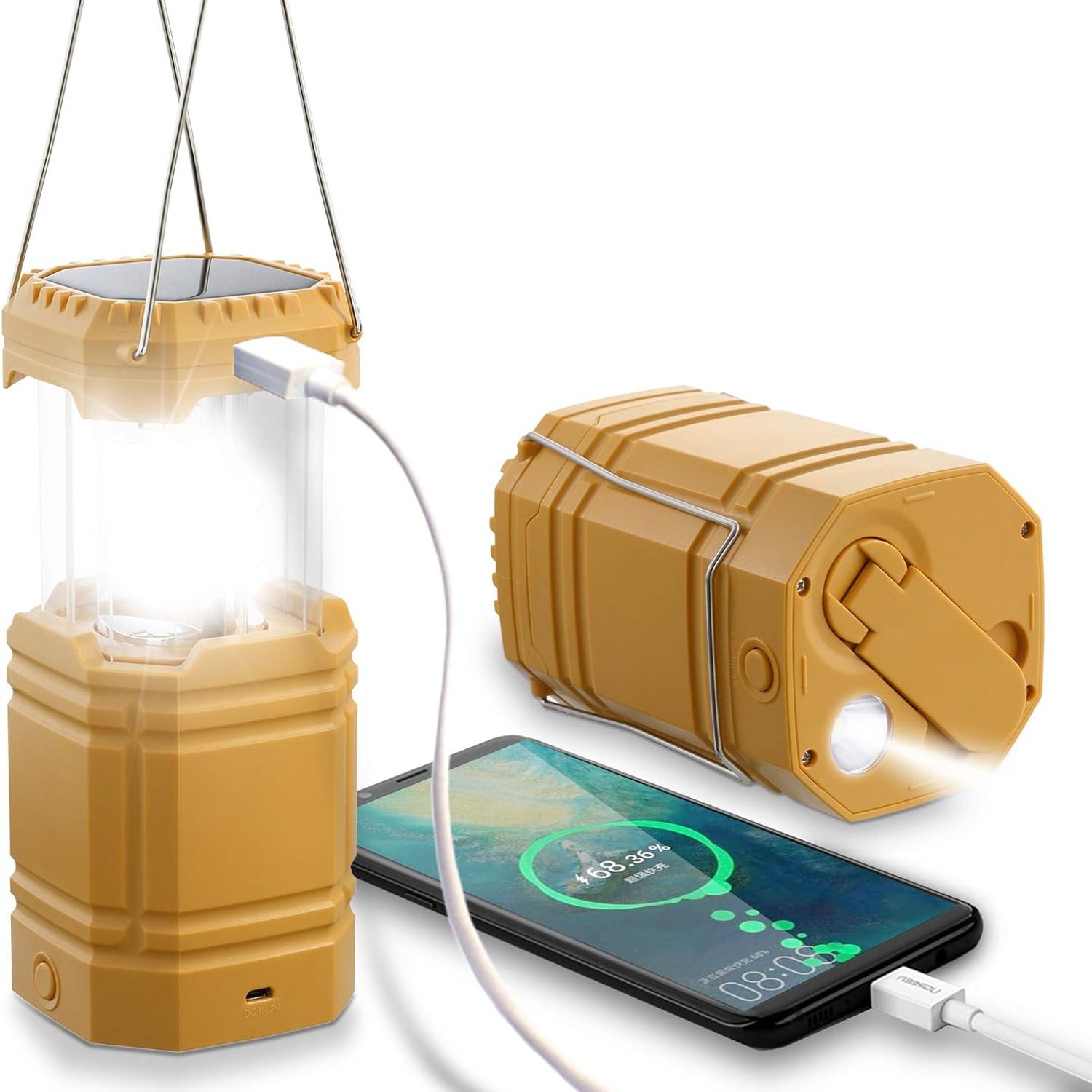
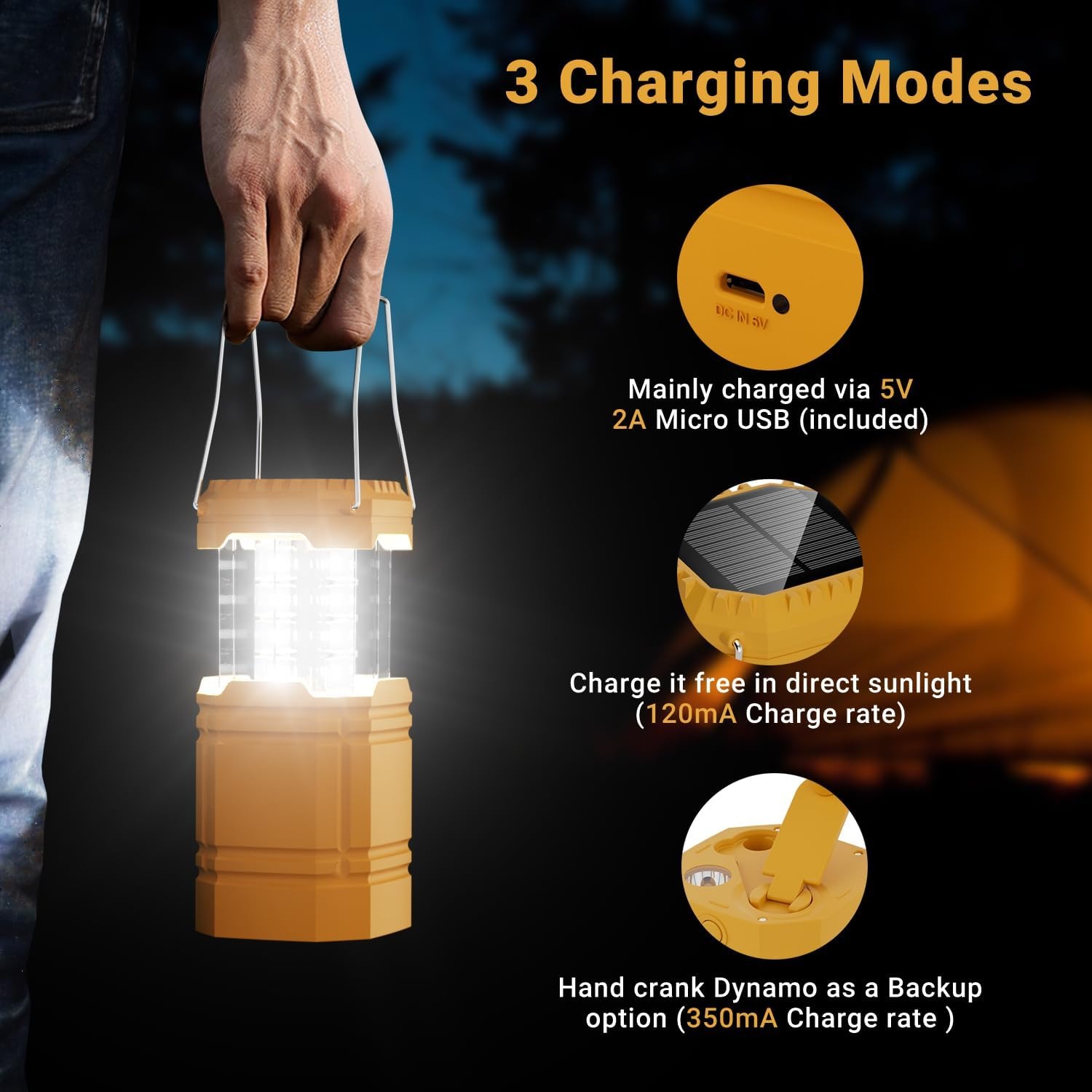
A solar camping lantern with a hand crank attacks that problem from a different angle. It has three separate paths to getting power in, so the failure of any single path does not leave you in the dark. That is the whole design logic, and it is why these lanterns show up in emergency kits as often as they do in camping gear lists.
How this lantern works
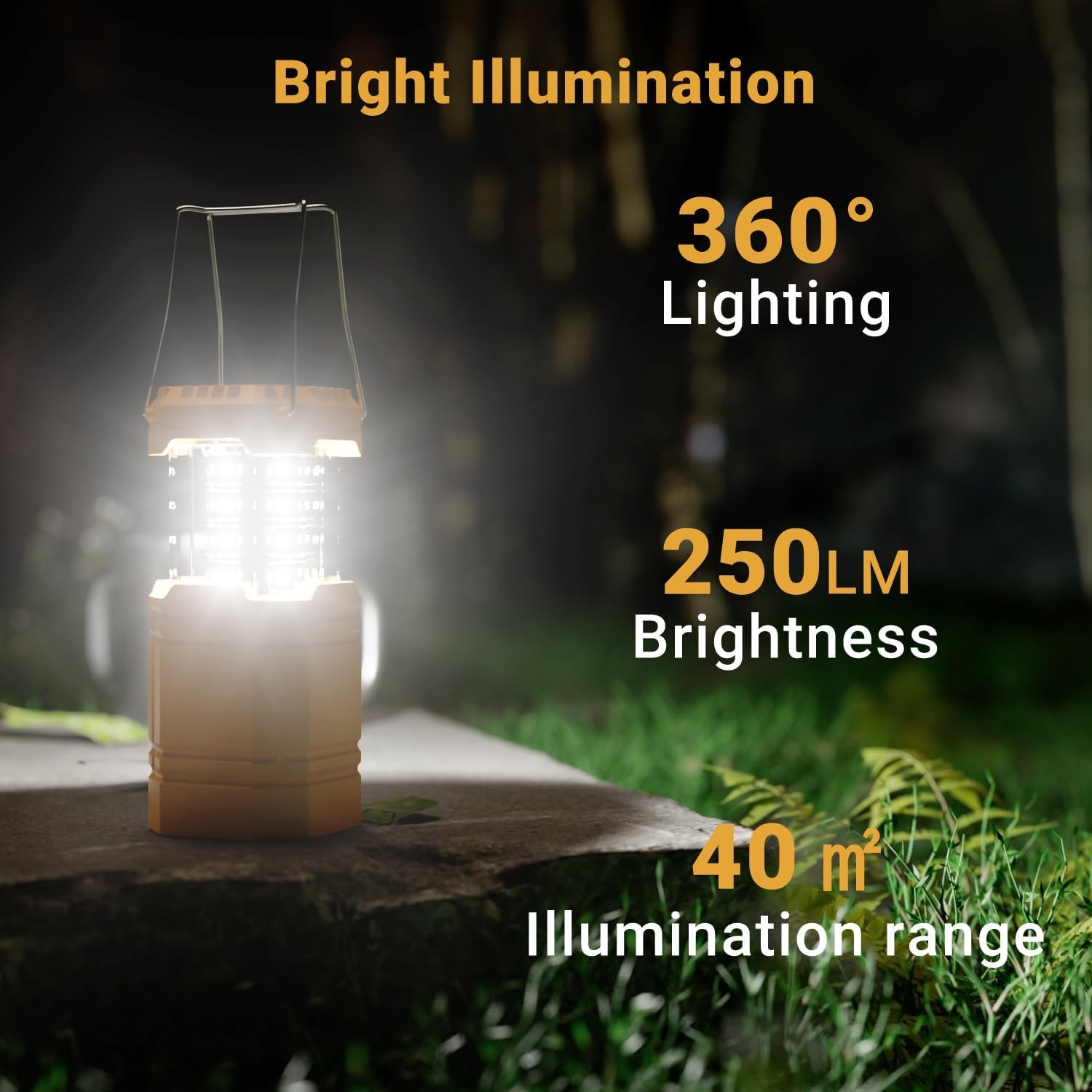
The light comes from twelve LEDs rated at a maximum of 200 lumens, spread across a 360 degree beam angle. That means light goes out in every horizontal direction rather than being focused forward. For camp use that is the right choice. A focused beam lights one thing well and leaves everything else black, while a 360 degree glow lets four people see what they are doing at the same table.
LEDs also sip power. The light source wattage here is 0.3 W, which is why a relatively small battery can keep going for a long stretch. The supplier quotes at least 30 hours of continuous light from a full charge, which is worth treating as a guide rather than a guarantee, since runtime always depends on temperature and how old the cell is.
Then there is how you fill it back up. USB is the fastest and the one you will use most, charging at home before a trip. The solar panel on top is the passive option. Leave it facing the sky while you walk or drive and it trickles energy in without you doing anything. The hand crank is the last resort that makes the whole thing worth owning. No sun, no mains, no car, and you can still wind the handle and get light.
There is also an SOS mode, which flashes the internationally recognised distress pattern. That is the sort of feature you hope never to use, which is precisely why it should be on the lantern you keep in the car.
The collapsing design
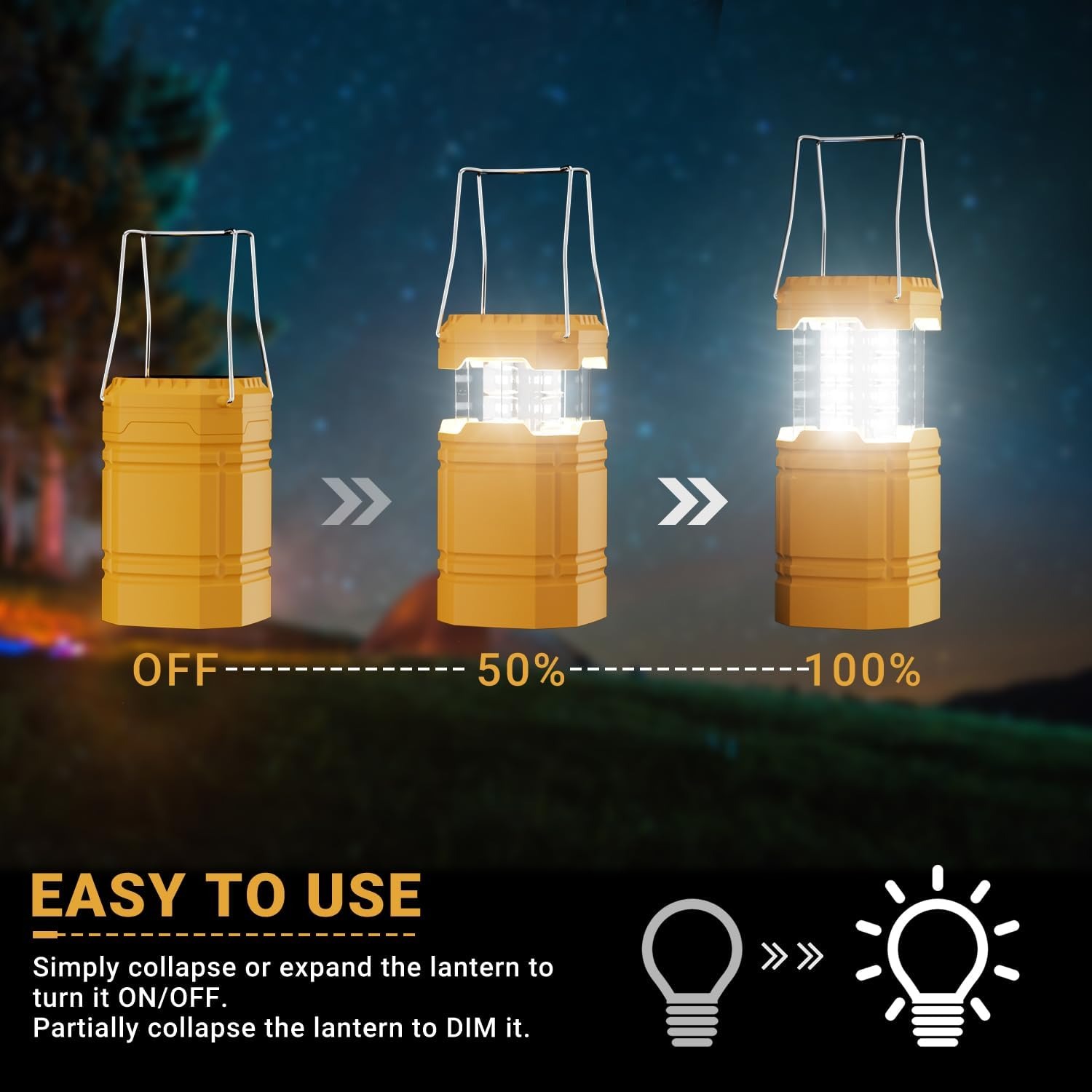
The lantern opens and closes by pulling and pressing. Pull it up and the light comes on. Press it down and it goes off. There is no button.
This sounds like a small thing. It is not. Buttons are the part of camping gear that fails, and small buttons are miserable to find in the dark with cold hands. Removing them entirely also means the lantern cannot be switched on by accident inside a packed bag, which is the usual way a charged light becomes a flat one.
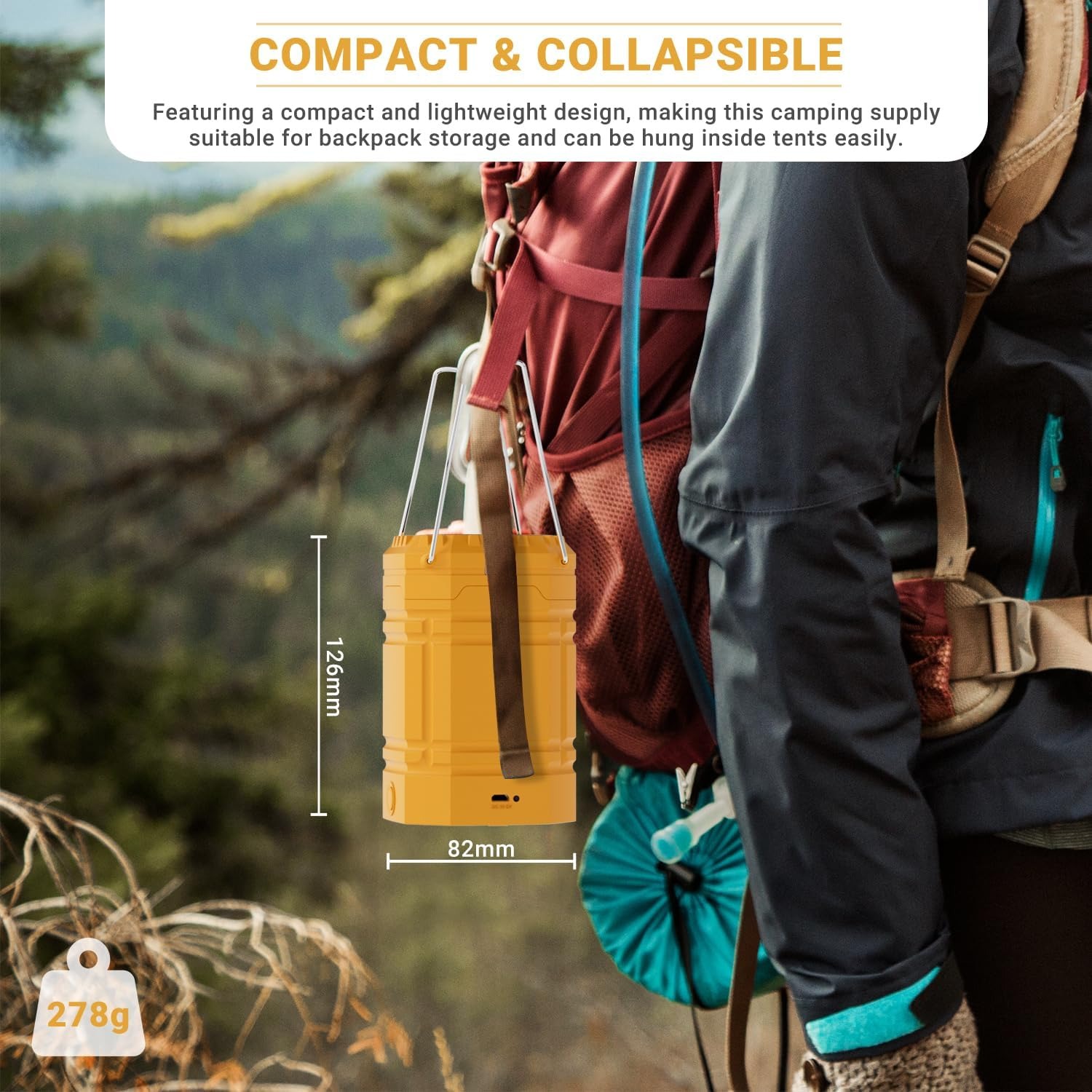
Collapsed, it packs flat. The whole unit weighs 278 g, so it is easy to justify including even when you are being careful about weight. The listed dimensions of 32.3 x 20.3 x 12.7 cm cover the packaged product rather than the folded lantern.
Who it suits
Car campers and family campers get the most obvious benefit. You want general light around a tent and a table, you are not counting grams, and you appreciate not having to think about batteries.
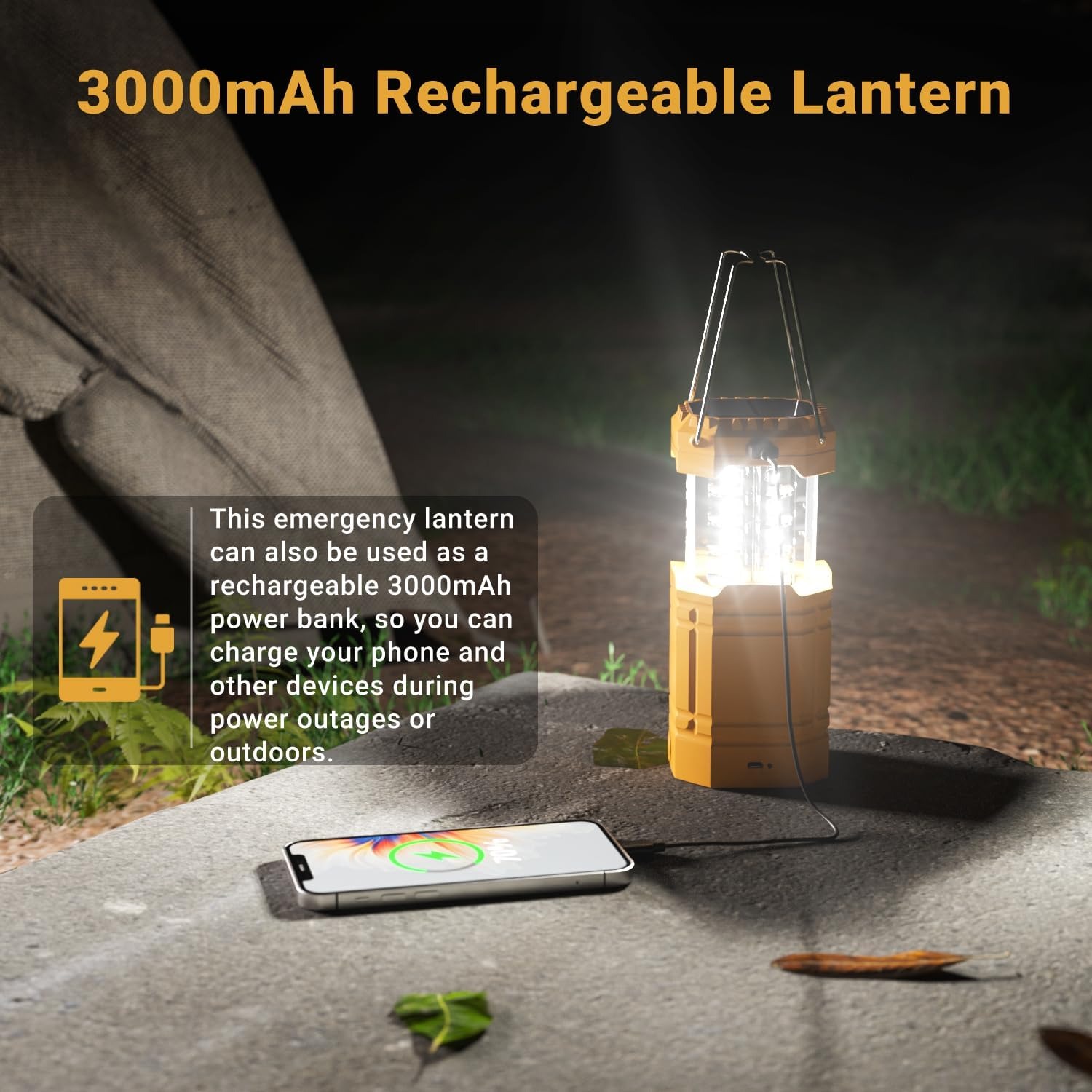
Anyone who wants a blackout light for home is the second group, and arguably the one who gets the most long term value. A crank lantern sitting in a kitchen drawer is useful for years. It does not expire, it does not leak like alkaline cells in a flashlight, and when the power goes out for three days in winter it keeps working.
Drivers should think about this too. A car emergency light that can signal SOS, survive rain and be cranked back to life covers a lot of unpleasant scenarios on a dark verge.
Night anglers and dog walkers like the waterproof housing. The ABS body is rated waterproof, so drizzle, spray and wet grass are not a concern.
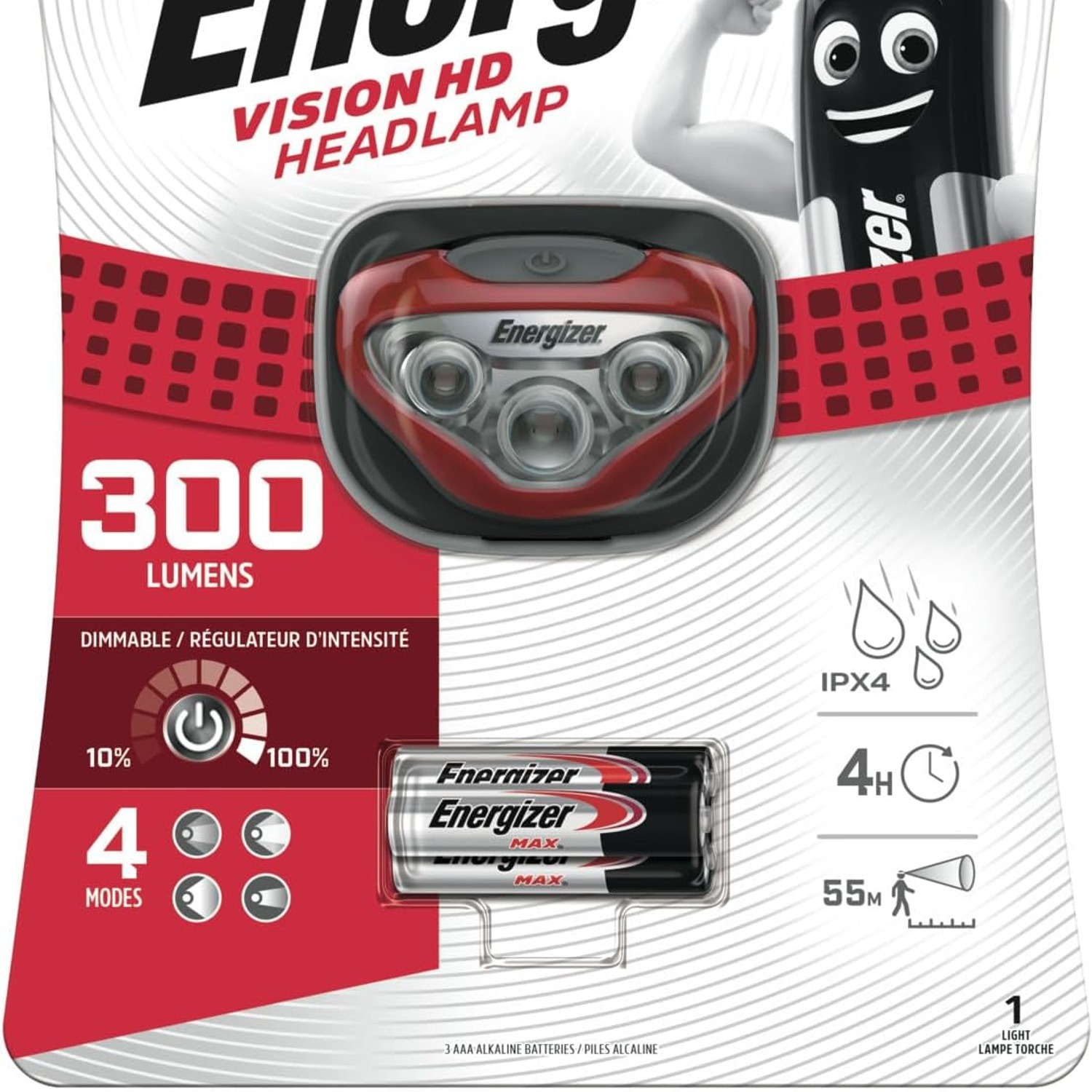
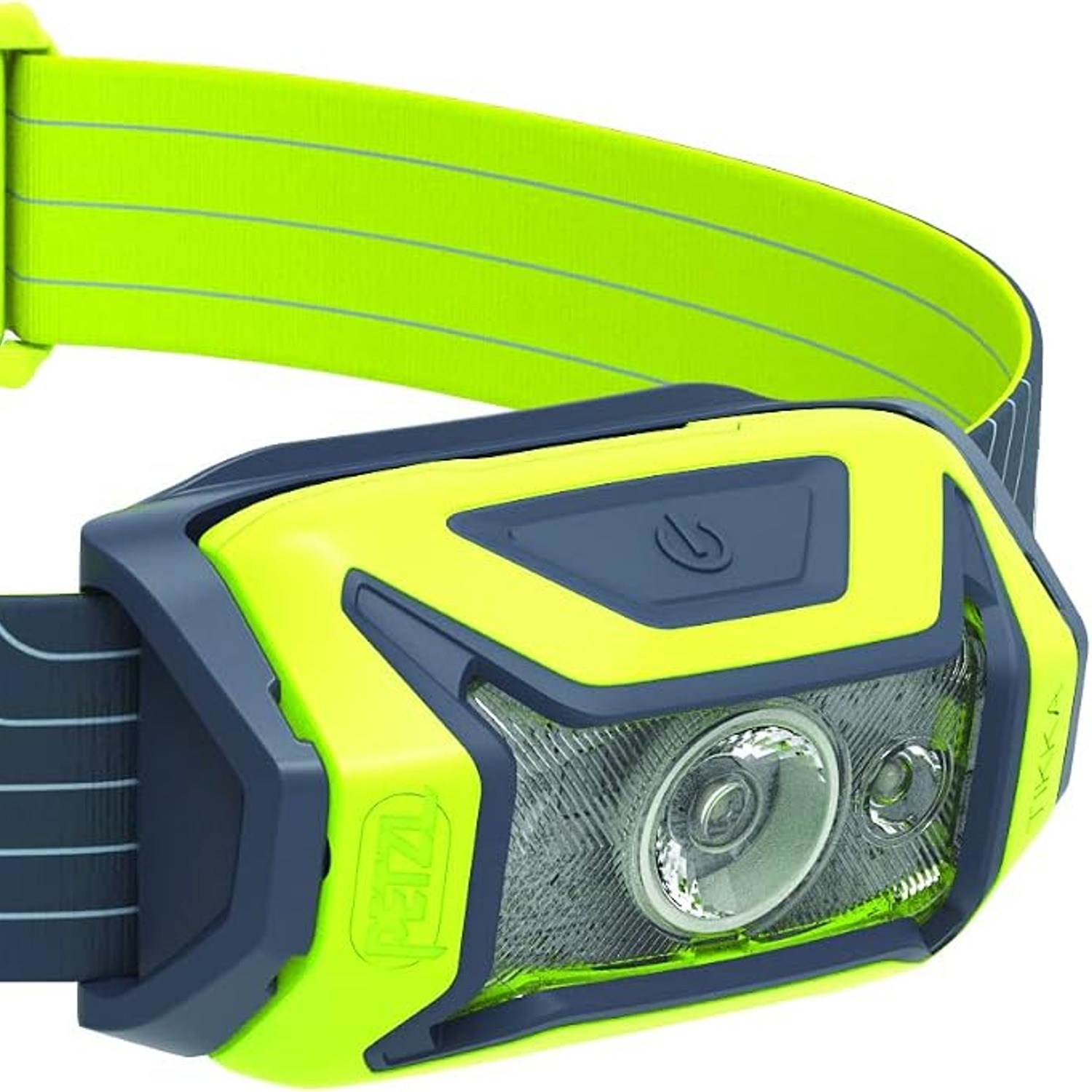
The one group who might look elsewhere is ultralight hikers. If you are counting every gram on a long through hike, a small headlamp will beat any lantern on weight. Everyone else is trading a modest amount of pack space for a light that cannot be stranded.
How to choose between lanterns
A few things actually matter when you are comparing options.
Brightness is the number people fixate on, usually wrongly. More lumens is not automatically better for camp use, because a very bright lamp in a small tent is unpleasant and burns through battery. Something around 200 lumens with a wide spread is a sensible target for general camp lighting.
Beam spread matters more than peak output. A 360 degree lantern lights a space. A directional light lights a spot. Know which job you are buying for, and if you need both, carry a small flashlight alongside.
Charging flexibility is where crank models earn their place. Ask yourself how the light gets power when everything has gone wrong. If the only answer is a wall socket, that is a limitation.
Weather rating decides where you can use it. Waterproof means you can set up camp in the rain and keep it hanging outside the tent door. Non rated lights have to be babied.
Build material affects how long it lasts. ABS plastic is light, tough and forgiving when dropped on rock, which is why so much outdoor kit uses it.
Weight should be the last consideration, not the first, unless you are hiking long distances. At 278 g this one is in comfortable territory for most uses.
Looking after it
None of this is difficult. Wipe the housing with a damp cloth when it gets muddy and let it dry before packing it away wet. Give the solar panel a clean regularly, because a dusty or smeared panel charges noticeably slower and people rarely think to check.
Skip solvents and abrasive cleaners on the plastic. They will scratch the matte finish and achieve nothing useful.
Storage is where most rechargeable gear quietly dies. Lithium cells do not enjoy sitting completely flat for months. Charge it every couple of months during the off season and it will still be ready when you need it. Store it collapsed, somewhere dry, and out of long term heat. A glovebox in a hot climate is harder on a battery than a cupboard indoors.
Note the specification quirk on this one. The battery description is listed as lithium-ion, while the record also states that batteries are not included and that one lithium polymer battery is required. Check the box contents when it arrives and get in touch if something looks off.
The short version
This is a 200 lumen, twelve LED collapsible lantern in waterproof ABS plastic that charges by USB, by sunlight or by hand. It has a 360 degree beam, an SOS mode, and weighs 278 g.
Buy it if you want one light that works for camping, for the car and for the night the power goes out, and you would rather not depend on a single charging method. Look elsewhere if you need a long range spotlight or you are shaving grams off an ultralight pack.
For most people, the appeal is simple. It is very hard to end up in the dark with this thing in your bag.