
Camping Company
Company
Shop By Category
T&Cs
Shop Online
  • Clear materials and product specifications
  • Free tracked USA-wide delivery over $150
  • 14-day returns

2 Person Backpacking Tent | Lightweight Hiking Tent | Waterproof Trekking Tent

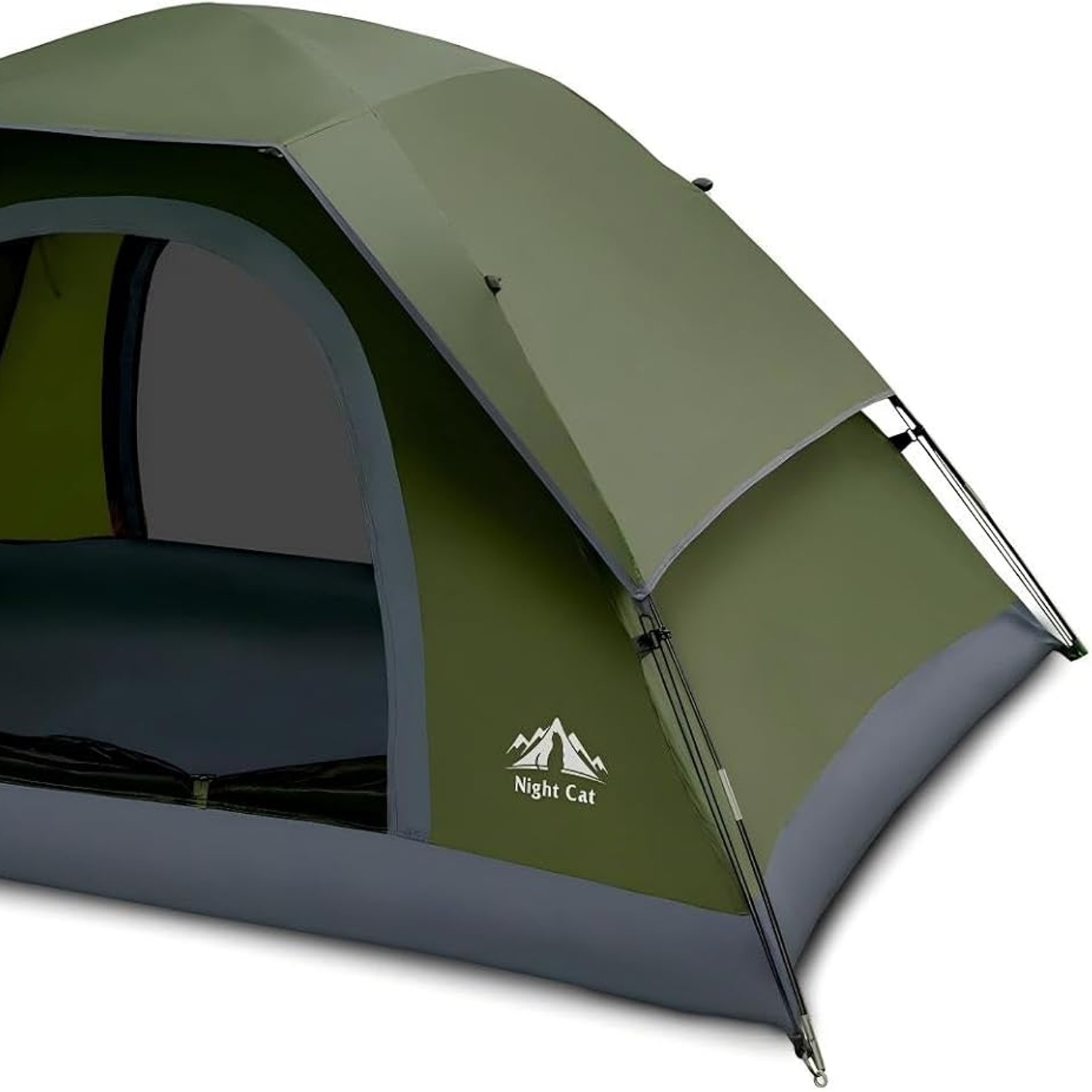
Night Cat Lightweight Backpacking Tent

$186.99 $223.99 Save $37
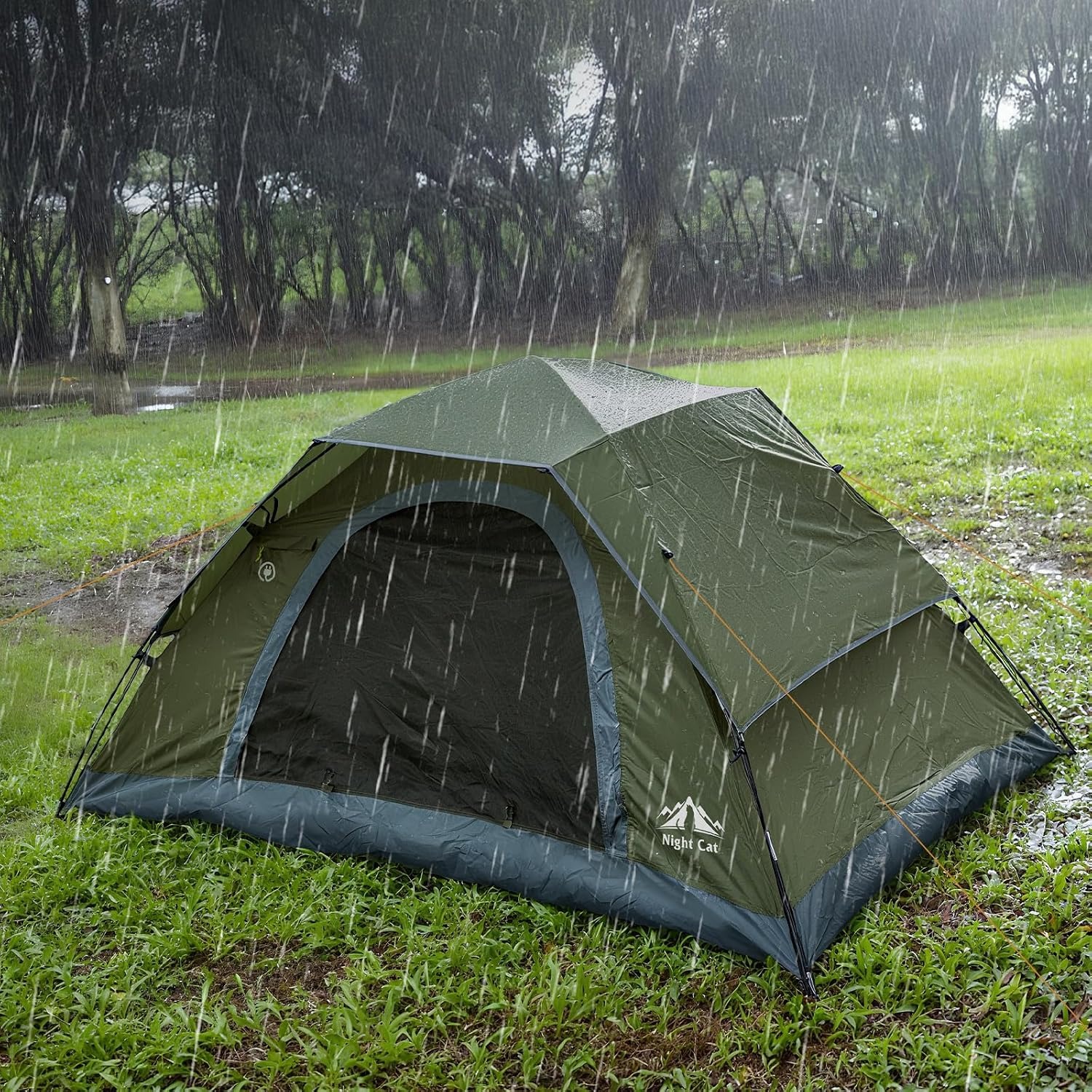
  • 3000 mm Waterproof
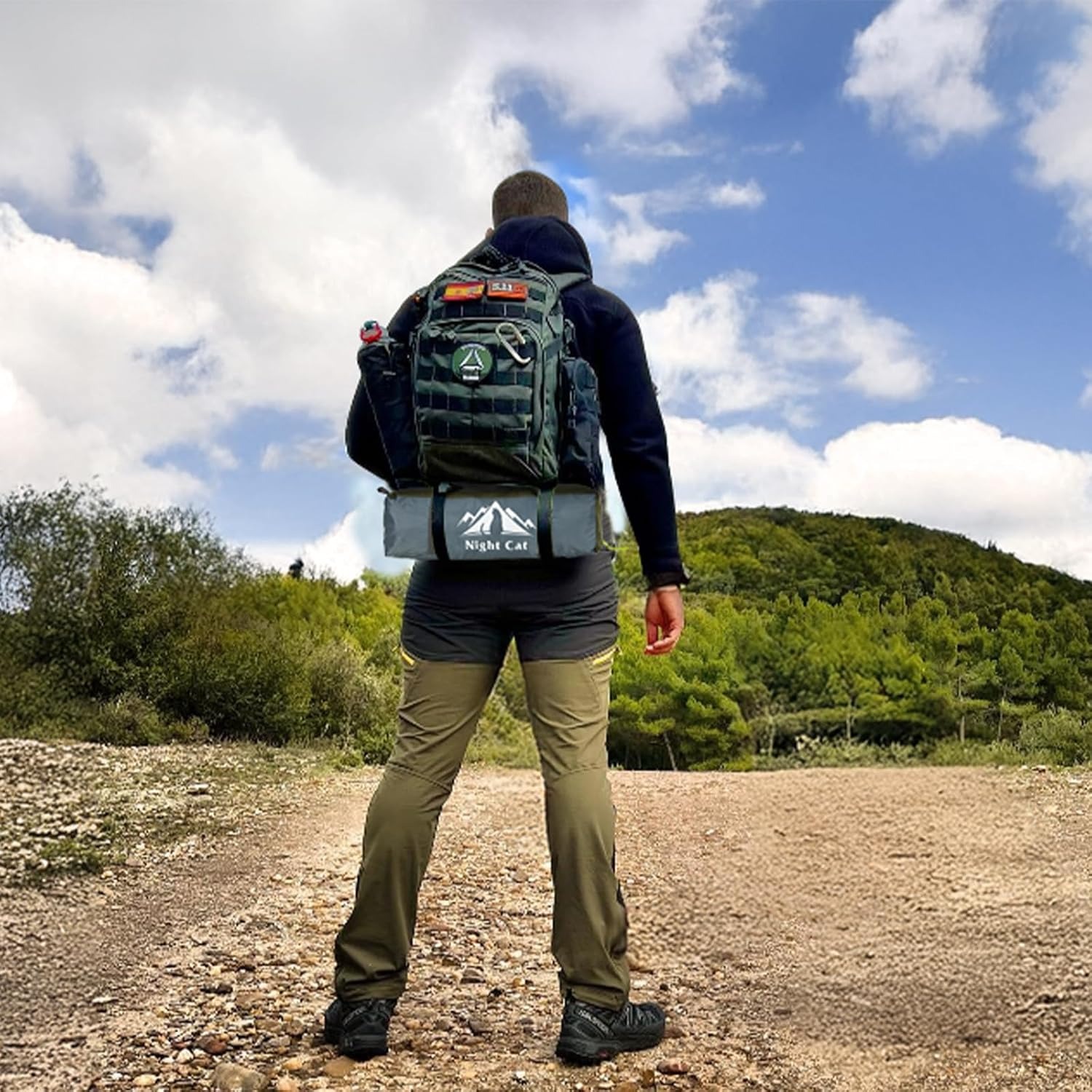
  • 2.45 kg Carry
  • Two Minute Pitch
  • Two Zippered Doors

Price: $186.99 $223.99

  • Free tracked USA-wide delivery on orders $150+, otherwise a flat $20
  • Pay by card or PayPal, handled by the payment provider
  • 14 days to change your mind, plus your statutory rights
Product specifications
Occupancy1 person
SeasonsYear round use
Water Resistance3000 mm
Installation TypeFree standing
Number Of Doors2
Number Of Rooms1
Closure TypeZipper
Number Of Poles2
Pole MaterialFiberglass
Pole AttachmentClip
Number Of Guylines4
Number Of Stakes10
Stake MaterialAluminum
Fabric TypePolyester
Rainfly MaterialPolyester
Floor Material150D Oxford waterproof fabric
Floor Length220 cm
Floor Width150 cm
Maximum Height110 cm
Floor Area3 square meters
Pitched Dimensions2.3 m L x 2.1 m W x 1.2 m H
Weight2.45 kg
Assembly TimeAbout 2 minutes
Assembly RequiredYes
ShapeRound dome
ColorArmy Green Pro
Recommended UseCamping and hiking
Age RangeAdult
BrandNight Cat
Model NumberZP-30
CareHand wash
Weight2.45 kg
Shipping & returns

Tracked delivery anywhere in the USA. It is free on orders of $150 or more, and a flat $20 below that.

If it is not right for you, send it back within 14 days of delivery in resaleable condition and we refund the price you paid, including standard delivery. That is a voluntary policy we offer on top of your legal rights. You cover the cost of returning it unless the item is faulty.

If it arrives faulty, damaged or not as described, we put it right at no cost to you under the consumer protection law of your state and the Federal Trade Commission Act, return postage included.

Shipping details · Refunds and returns

3000 mm WaterproofFabric and floor rated to 3000 mm so steady rain stays outside.
2.45 kg CarryLight enough to carry on your back for a full day on the trail.
Two Minute PitchClip-on pole attachment means camp is up fast when weather turns.
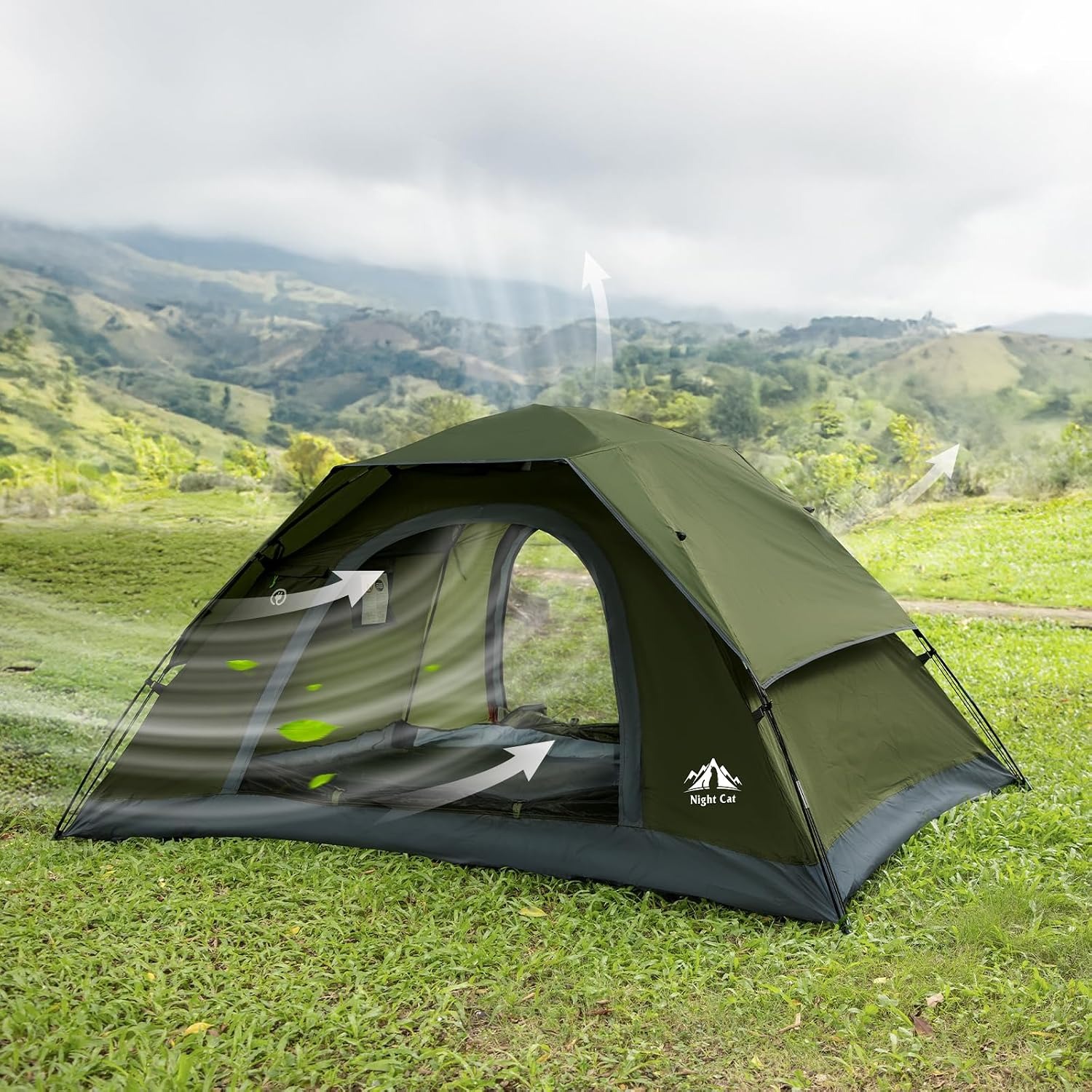
Two Zippered DoorsGet in and out either side and keep air moving through the tent.

A lightweight hiking tent that packs down small, pitches in about two minutes, and keeps the rain outside where it belongs.

Waterproof 190T polyester with a 150D Oxford floor, two zippered doors, four guylines and ten stakes, all packed into a 2.45 kg carry.

A compact 2 person backpacking tent built for hikers who count every gram in the pack.

Polyester fly and a 150D Oxford floor are both rated to 3000 mm, so moderate rain and damp ground stay where they belong.

Two doors with zip closures let you climb in from either side and cross-ventilate on warm nights.

Fiberglass poles clip on rather than thread through, which is why a full pitch takes around two minutes.

At 2.45 kg with four guylines and ten stakes included, it is ready to go straight out of the bag.

Night Cat Lightweight Backpacking Tent

Most people who give up on backpacking do it for one of two reasons. Either the pack was too heavy, or the first wet night went badly. A tent sits right in the middle of both problems, which is why it is worth getting the choice right. This Night Cat tent weighs 2.45 kg packed, with the fly, poles, four guylines and ten aluminum stakes all accounted for in that figure. That is light enough to carry comfortably on a day of walking without being so flimsy that you lie awake listening to it flex.

Night Cat Lightweight Backpacking Tent

The waterproofing story is straightforward. The polyester fabric and the rainfly are both rated to 3000 mm, and the floor is a heavier 150D Oxford fabric at the same rating. In plain terms, a 3000 mm rating means the fabric holds back a tall column of water before it starts to seep, which covers steady rain rather than just a light shower. The floor material matters as much as the fly, because ground moisture pushes up with your body weight on top of it, and a thin floor is where a lot of cheap tents fail first.

Night Cat Lightweight Backpacking Tent

Pitching is clip-based rather than sleeve-based. The two fiberglass poles sit across the top and the tent body clips onto them, which is faster and much easier with cold hands than feeding a pole through a long fabric sleeve. Night Cat quotes around two minutes for a manual setup, and in practice the limiting factor is usually how carefully you stake out the guylines. The tent is free standing, so you can lift it and move it a meter to the left once it is up if you have picked a rocky patch.

Night Cat Lightweight Backpacking Tent

Inside you get a single room with a floor measuring 220 cm by 150 cm and a maximum height of 110 cm, which works out to roughly 3 square meters of floor. That is sitting height rather than standing height, which is normal for a dome of this size and weight. There are two doors, one on each side, so you are not climbing over a tent mate to get out at night, and opening both creates a cross breeze on humid evenings. The one and a half layer build gives the airflow a path out, which helps with the condensation that collects in any sealed tent.

Night Cat Lightweight Backpacking Tent

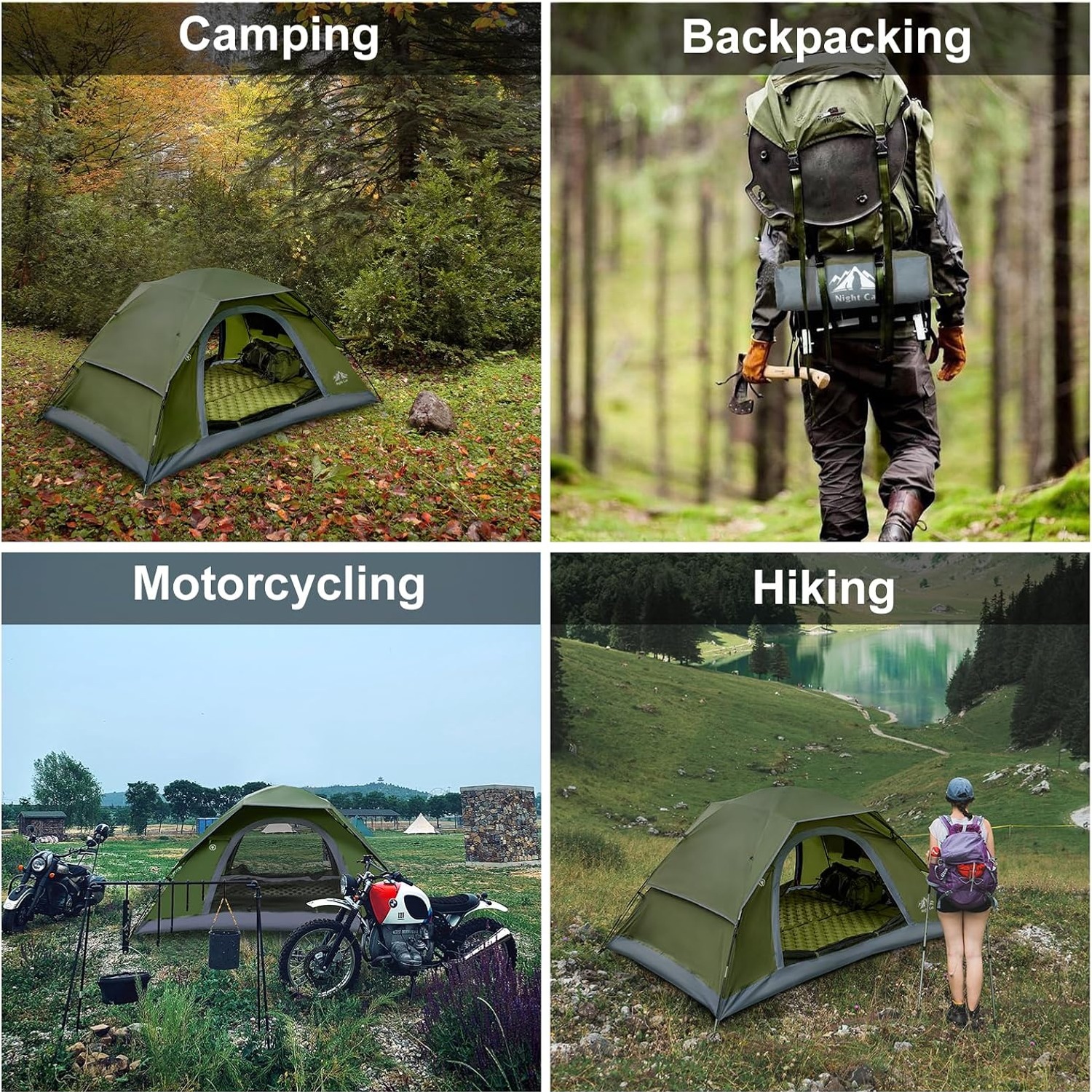
The practical use case is broad. Hikers, weekend campers, people who fish from the bank and want shelter overnight, festival goers who want something that fits in a locker. Anyone who wants a compact one person tent that can take a bit of weather without needing a four figure budget will find this sits in a sensible spot. Hand wash only, dry it fully before storage, and it will keep going season after season.

Not sure yet? That is fine.

Camping gear has to suit your trip and your climate, and you cannot always judge that from a photograph. If it is not right for you, send it back within 14 days of delivery in resaleable condition and we refund the price you paid, including standard delivery. That is a voluntary policy we offer on top of your legal rights.

If it turns up faulty, damaged or not as described, that is on us. The consumer protection law of your state covers you, and we pay the return postage. Read the full detail on our refunds and returns page, or ask us anything before you order.

Frequently Asked Questions

How many people does this tent actually fit?

The manufacturer lists it as a 1 person tent, with an inner floor of 220 cm by 150 cm. One adult plus a pack fits comfortably with room to spare. Two slim adults can squeeze in for a night, but it will be tight and you will want to keep gear in the vestibule area rather than inside.

What does the 3000 mm waterproof rating mean?

It is a hydrostatic head measurement. The fabric can hold back a 3000 mm column of water before moisture starts passing through. For camping purposes that covers steady rain rather than just light drizzle, and it is the same rating used for both the fly and the Oxford floor here.

How long does it take to set up?

Night Cat quotes around two minutes for a manual pitch. The poles clip on rather than threading through sleeves, which speeds things up considerably. Your first attempt will take longer while you work out which end is which, and after that it becomes quick.

Is it free standing?

Yes. The tent holds its shape once the two poles are in place, so you can pick it up and reposition it before staking. That is useful on hard ground or wooden platforms where pegs will not go in easily. You should still stake and guy it out properly in wind.

How much does it weigh?

The listed weight is 2.45 kg, which is also given as the minimum trail weight. That includes the tent body, fly and poles. It sits in a reasonable range for a budget backpacking tent that is not built from ultralight materials.

What are the poles made of?

Fiberglass. Fiberglass is heavier than aluminum but handles flex well and is far cheaper to replace if a section splinters. Two poles are supplied and they attach using clips on the tent body.

How many stakes and guylines come with it?

Ten aluminum stakes and four guylines are included. That is enough to pitch the tent and guy out the corners properly. Many campers carry a couple of spare stakes anyway, since they are the part most likely to bend or get lost.

Can I stand up inside?

No. Maximum interior height is 110 cm, so this is a sitting-height dome. You can sit upright, change clothes awkwardly, and organize gear, but you will be kneeling or crouching. That is normal for any compact one person tent in this weight class.

Does it have two doors?

Yes, two zippered doors, one on each side. That makes getting in and out easier and gives you a choice of which side to face away from wind or rain. Opening both also helps air move through on warm nights.

Is there a vestibule for gear?

The listing does not specify vestibule dimensions, so we cannot quote a figure. The fly extends over the door areas in this style of dome tent. Plan to keep boots just inside the door and your pack beside you if space is tight.

How does it handle condensation?

The one and a half layer design gives moist air a path out rather than trapping it against the fabric. Opening both doors or their mesh panels makes a real difference. Some condensation is normal in any tent when the outside air is cold and you are breathing inside it all night.

Is this a four season tent?

It is described as suitable for year round use, but treat that as three season plus mild winter rather than alpine winter. Fiberglass poles and a dome of this weight are not built for heavy snow loading. For snow camping you want a dedicated mountaineering shelter.

What is the floor made from?

A 150D Oxford waterproof fabric rated to 3000 mm. Oxford is a tougher weave than the lighter polyester used in the fly, which is sensible because the floor takes abrasion from the ground and your body weight. A groundsheet underneath will extend its life further.

Do I need a separate groundsheet?

Not strictly, since the floor is already waterproof. A cheap footprint or even a plastic sheet is still a good idea on stony or stubbly ground, because it takes the abrasion instead of the tent. It also makes packing up cleaner when the ground is muddy.

What color is it?

The color is listed as Army Green Pro. That blends well into bush and forest settings, which suits people who want to camp discreetly. If you want to be seen easily by others, a high-visibility tent would be a better choice.

Can I use it for fishing trips?

Yes. It is a common use for a tent this size. It is light enough to carry to a bank or beach spot, pitches quickly when the weather turns, and the 150D floor stands up to damp ground. Always check local rules about overnight camping where you fish.

Will it survive strong wind?

A low dome shape handles wind better than a tall tent, and the four guylines help. That said, fiberglass poles have limits. Pitch with the low end into the wind, use all the stakes, and seek natural shelter when conditions get rough.

How do I clean it?

Hand wash only. Sponge it with cool water and a small amount of mild soap, rinse well, and let it air dry completely. Never machine wash or tumble dry a tent, as that can damage the coatings that make the fabric waterproof in the first place.

How should I store it between trips?

Completely dry, loosely packed, somewhere cool and out of direct sun. Packing a damp tent away even for a few days can start mildew that you will never fully get rid of. If you got home in the rain, pitch it in the garage or hang it over a rail until dry.

What is the packed size?

The packed dimensions are not specified in our product record, so we will not quote a figure. The pitched size is 2.3 m by 2.1 m by 1.2 m and the weight is 2.45 kg. It is designed to strap to or fit inside a hiking pack.

Does the fly need seam sealing?

The listing does not state whether seams come sealed, so we cannot confirm. If you want extra peace of mind before a wet trip, a tube of seam sealer is inexpensive and applying it to the fly seams takes under an hour.

Can two people share it in an emergency?

The floor is 220 cm by 150 cm, so two people can lie side by side if they have to. It will be snug and there will be nowhere for gear. For regular two person trips, look for something with a wider floor and a bigger vestibule.

Is it suitable for a first tent?

It is a sensible first tent for someone trying out hiking or solo camping. The clip pole system is forgiving, the pitch is quick, and the price sits well below technical shelters. Learn the pitch in your back garden before your first trip.

Does it work for festivals?

Yes, it packs small and pitches fast, which is exactly what you want after a long walk from the car park. The green color does make it harder to spot in a crowded field, so note a landmark or tie something bright to a guyline.

What is included in the box?

The tent body, rainfly, two fiberglass poles, four guylines and ten aluminum stakes. The listing describes included components as poles. Anything beyond that, such as a footprint or repair kit, would need to be bought separately.

Can I use a camp stove inside?

No. Never run a stove, lantern or any flame inside a tent. The fabric is flammable and carbon monoxide builds up fast in a closed space. Cook outside, well away from the fly, with the door closed if it is windy.

Is it treated against UV?

UV protection is noted in the source listing but not confirmed with a rating, so we treat it as unverified. All tent fabrics degrade in long sun exposure regardless. Pitch in shade where you can and avoid leaving it set up for weeks at a time.

Does this make a good gift?

It works well for someone getting into hiking, a student heading to festivals, or a partner who keeps borrowing your gear. It arrives as a complete kit, so there is nothing else to buy before the first trip. Pair it with a sleeping mat if you want to make it a full set.

How long will it last?

That depends almost entirely on care. Dried out properly after every trip, kept out of long sun exposure and packed loosely, a tent at this level will give you many seasons. Packed wet and left in a hot car, it will disappoint you by next summer.

What if it is not right for me?

Pitch it at home first, before you take it anywhere. If it is not the right size or it is not what you expected, contact us while it is unused and in its original packaging and we will walk you through a return or exchange. We would rather sort it out early than have you discover the problem on a wet hillside.

How to Choose a Lightweight Backpacking Tent

6 min read Camping Company

The problem with most first tents

Walk into a camping shop and you will find tents at twenty dollars and tents at two thousand. The gap between them is not marketing. It is fabric weight, waterproof rating, pole material and how much thought went into the shape. The trouble is that none of that is obvious from a photograph, so plenty of people end up with a tent that is either too heavy to carry or too thin to trust.

The two failures look different but come from the same mistake. A heavy tent gets left at home, so you stop camping. A leaky tent gets used once, you spend a miserable night in a damp sleeping bag, and you stop camping. Either way the tent sits in a cupboard.

A 2 person backpacking tent in the two to three kilogram range is where most people land once they have made that mistake and learned from it. It is light enough that you will actually carry it and solid enough to handle real rain. This Night Cat sits at 2.45 kg, which puts it squarely in that practical middle ground.

What the waterproof numbers actually mean

Tent waterproofing is measured as a hydrostatic head, written in millimeters. A lab puts a tube of water on the fabric and measures how tall the column gets before water pushes through. Higher number, more resistance.

For reference, 1000 mm is the usual minimum to call something waterproof at all. It will survive a short shower. Around 2000 mm handles normal rain. At 3000 mm, which is what both the fly and the floor carry here, you are into steady, extended rain territory. That is the rating most mid-range hiking tents aim for, because it covers almost everything a camper in a temperate climate will meet.

The floor rating matters more than people expect. When you lie down, your hips and shoulders press the floor fabric into wet ground, and that pressure forces water through fabric that would otherwise hold. This is why the floor here uses a heavier 150D Oxford weave rather than the lighter polyester used overhead. It is the difference between waking up dry and waking up with a damp patch under your hip.

Poles, clips and why setup speed matters

Two pole systems dominate tents at this price. Sleeve systems thread the pole through a fabric tunnel sewn onto the tent body. Clip systems hook the body onto the pole with a row of plastic clips. Sleeves are slightly stronger in high wind. Clips are faster, easier in the dark, and far less infuriating when your fingers are cold.

This tent uses clips with two fiberglass poles, and Night Cat quotes about two minutes for a pitch. That number assumes you know what you are doing, which is a good argument for setting the tent up in your garden or living room before the first trip. Learn it once in comfort and you will never have to learn it in the rain.

Fiberglass rather than aluminum is the main compromise at this price. Fiberglass is heavier and can splinter if badly stressed, where aluminum tends to bend. The upside is that fiberglass handles repeated flexing well and replacement sections cost very little. For weekend trips and fair-weather hiking it is perfectly adequate. For exposed ridge camping in winter, you would want to spend more.

Space, doors and the condensation question

The inner floor is 220 cm long by 150 cm wide, giving about 3 square meters. Maximum height is 110 cm. That is sitting-height, not standing-height, which is what you get in any dome light enough to carry. You can sit upright, sort your gear and change clothes with some wriggling.

Two doors is a genuinely useful feature on a tent this size. Beyond the obvious convenience of not climbing over anyone, two doors give you a choice. If the wind shifts overnight, you use the other side. If the ground slopes, you pick the uphill exit. And if the night is warm and still, opening both doors creates a path for air to move straight through.

That airflow is the main tool you have against condensation. Every person breathes out roughly a liter of water vapor overnight. In a sealed tent that vapor hits the cool inner surface and turns back into water. The one and a half layer design here gives that moist air somewhere to go. You will still get some condensation on a cold, humid night, because physics does not negotiate, but ventilation keeps it from running down the walls.

Who this tent suits

It fits the solo hiker who wants a compact one person tent with room for a pack. It fits the weekend camper who drives to a site and walks the last stretch in. It fits anglers who want overnight shelter near the water, and festival campers who need something that goes up fast and packs small.

It is less suited to tall people who want to stretch out with gear inside, two adults sharing regularly, or anyone planning serious winter trips above the treeline. Those are all real needs, they just call for a different tent.

The green color is worth a thought too. It disappears nicely into bush and forest, which suits quiet camping. In a crowded field or if you want to be found easily by a walking partner, a brighter shelter is more practical.

Looking after it

Tents mostly die from neglect rather than use. Three habits cover nearly everything.

Dry it fully before it goes away. Not mostly dry, fully dry. If you pack up in rain, pitch it again in a garage or hang it over a rail at home the same day. Mildew starts within days and the smell never completely leaves.

Hand wash only, with cool water and a small amount of mild soap. Machine washing and tumble drying strip the coatings that make the fabric waterproof. A sponge and a hose do everything a tent actually needs.

Keep grit out of the zips. Zip failure is the single most common thing that takes a tent out of service, and it is almost always sand or soil in the teeth. Shake the floor out before packing and brush the zip tracks occasionally.

Store it loosely in a cool, dry place rather than crammed into its stuff sack for eight months. Long compression creases the coating along the same fold lines and those creases become weak spots.

Small things that make a bigger difference than you think

Carry a few spare stakes. Ten aluminum pegs come with the tent, and pegs bend, snap and hide in long grass. Two or three spares weigh almost nothing.

Use the guylines. People skip them on calm evenings and then regret it at three in the morning. All four take under a minute and they keep the fly tensioned away from the inner, which also helps with condensation.

Pitch the low end into the wind. A dome handles wind best when it presents the smallest profile, and getting the orientation right costs nothing.

Check the ground before you commit. Clear sticks and stones, avoid the lowest point in the clearing where water collects, and look up for dead branches. Five minutes of site selection beats any amount of gear.

The short version

This is a practical, honest hiking tent rather than a technical one. You get 3000 mm waterproofing on both the fly and a tough 150D Oxford floor, two doors, a free standing clip-pole pitch in around two minutes, four guylines, ten stakes, and a total weight of 2.45 kg.

What you give up compared with premium shelters is aluminum poles, standing room and a very large vestibule. What you get is a tent light enough to carry and waterproof enough to trust, at a price that does not make you nervous about taking it somewhere rough.

If you are starting out, camping a handful of weekends a year, or you want a reliable backup shelter that lives in the car trunk, this covers the job well. Pitch it once at home, learn the two minute routine, and it will be ready when you are.

Browse the shop

Not sure if this tent is your size?

Send us a message with how you camp and how far you walk, and we will tell you honestly whether this one fits.

Ask us a question

Page summary

The Night Cat ZP-30 is a lightweight dome backpacking tent listed for 1 person occupancy, weighing 2.45 kg. Pitched dimensions are 2.3 m long by 2.1 m wide by 1.2 m high, with an inner floor of 220 cm by 150 cm, a maximum interior height of 110 cm and about 3 square meters of floor area. Fabric is 190T style polyester with a polyester rainfly and a 150D Oxford floor, all rated 3000 mm waterproof. It is free standing with two fiberglass poles using clip attachment, two zippered doors, one room, four guylines and ten aluminum stakes. Assembly takes about two minutes. Care is hand wash. Color is listed as Army Green Pro. Country of origin and packed dimensions are not specified in this record.