

The complete guide
How to Choose a Camping Pillow That Actually Packs Small
The pillow problem nobody warns you about
You can spend weeks researching tents, mats and sleeping bags, then ruin the whole thing with the pillow. It is the last item people think about and the first one that wakes them up at 3am with a sore neck.
The usual fixes are not great. A rolled jumper slides apart and leaves a zip against your cheek. A cheap inflatable pillow is loud, slippery, and goes flat right when you have stopped thinking about it. A real bed pillow from home works perfectly and takes up half a car trunk.
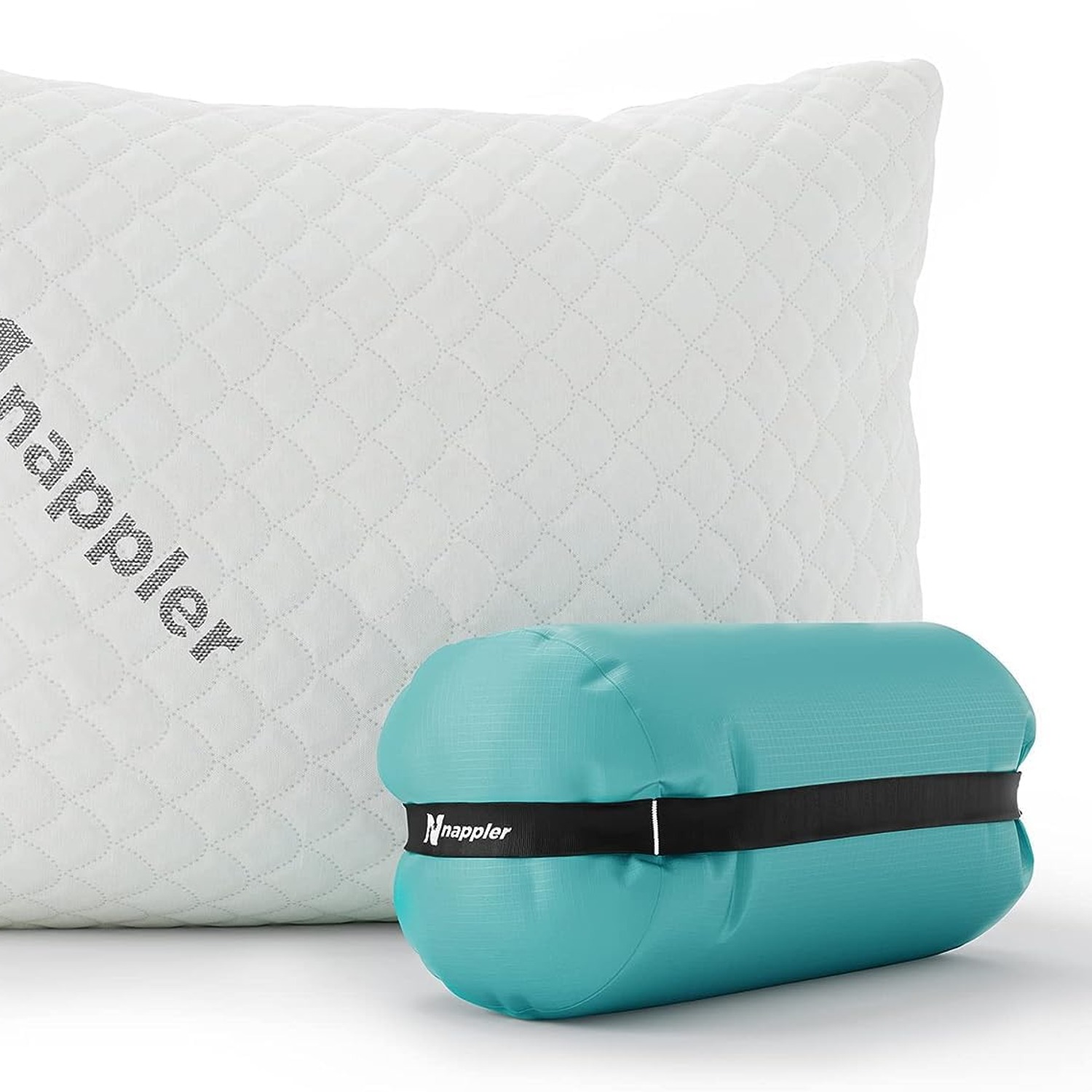
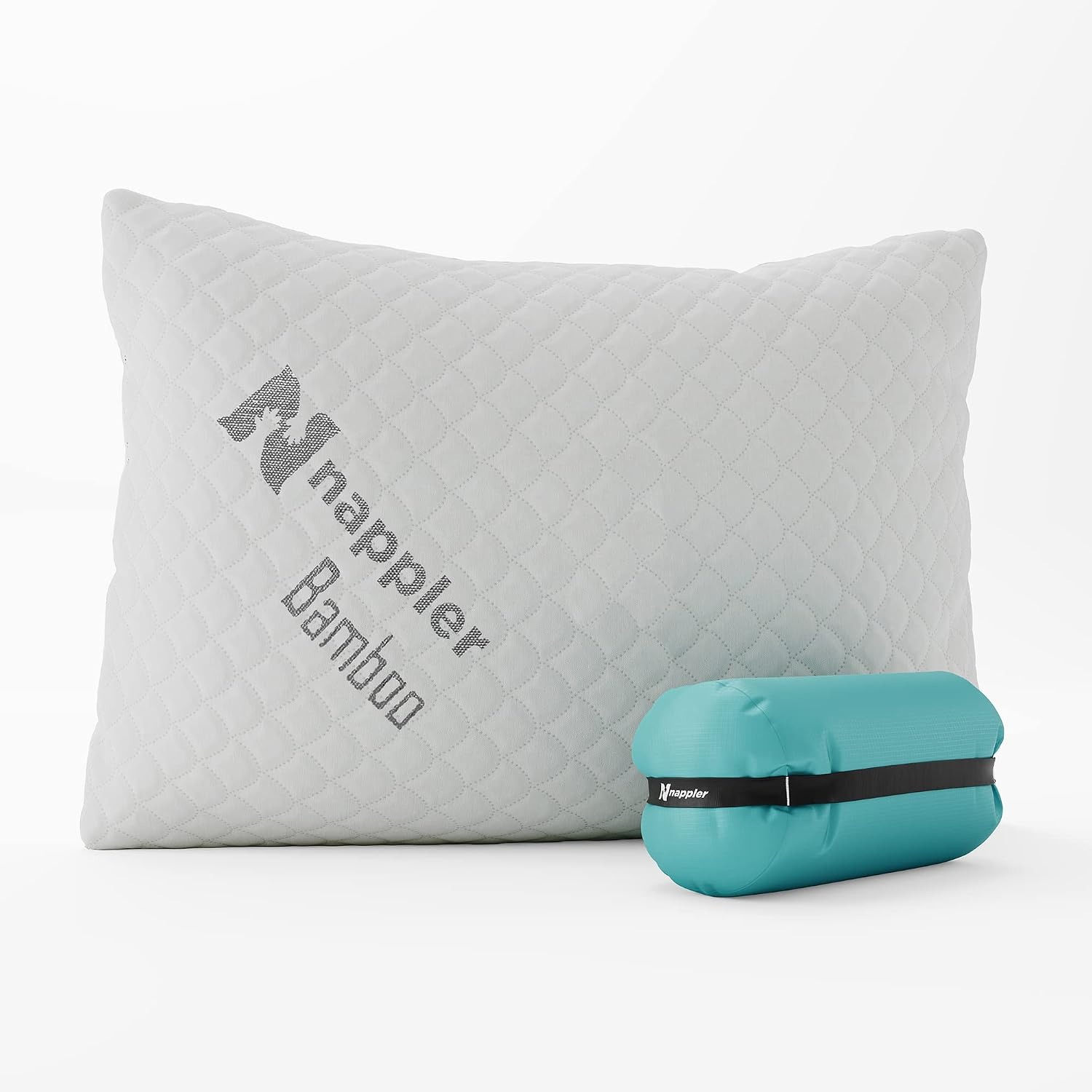
A compressible camping pillow is the answer most regular campers land on. It gives you something that feels like proper bedding, then squashes into a case about the size of a water bottle when you are done with it.
How shredded foam changes things
The important word here is shredded. A solid block of memory foam is comfortable, but it has nowhere to go when you try to compress it. Chop the same foam into small pieces and suddenly the pillow is mostly air sitting between those pieces. Press it and the air leaves. Open the case and the foam expands and the air comes back.
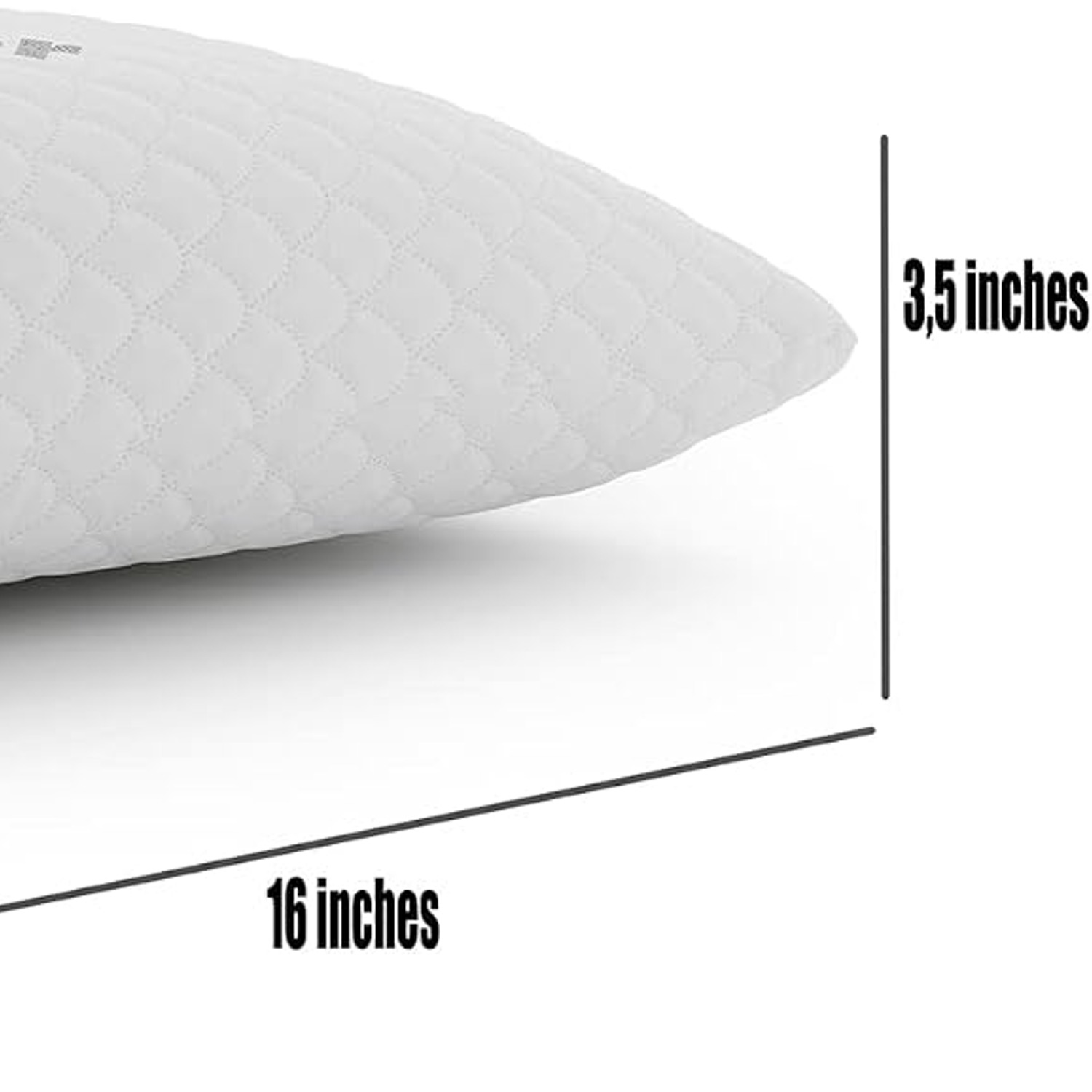
That is the whole trick. It is why this pillow can be 48.3 cm by 33 cm when it is open and still fit in a carry case, and why it weighs only 0.23 kg.
Shredded fill has a second benefit that matters more once you are lying on it. You can push the foam around. Pat it flat for back sleeping, bunch it toward one edge to build height under your shoulder when you roll onto your side. A solid foam pillow gives you one shape and you take it or leave it.
The firmness here is medium firm, which is the right call for travel. Too soft and it collapses under your head on an already thin camp mat. Too firm and it does not mold to anything. Medium firm covers most sleeping positions and most surfaces.
Size is the spec people ignore
Plenty of travel pillows are too small to actually sleep on. They are fine for twenty minutes upright in a seat, then useless the moment you lie down.
At 48.3 cm by 33 cm, this one has enough surface to roll over on. Your head stays on it when you turn. That sounds obvious, but if you have ever spent a night chasing a tiny pillow around a tent floor, you know how much it matters.
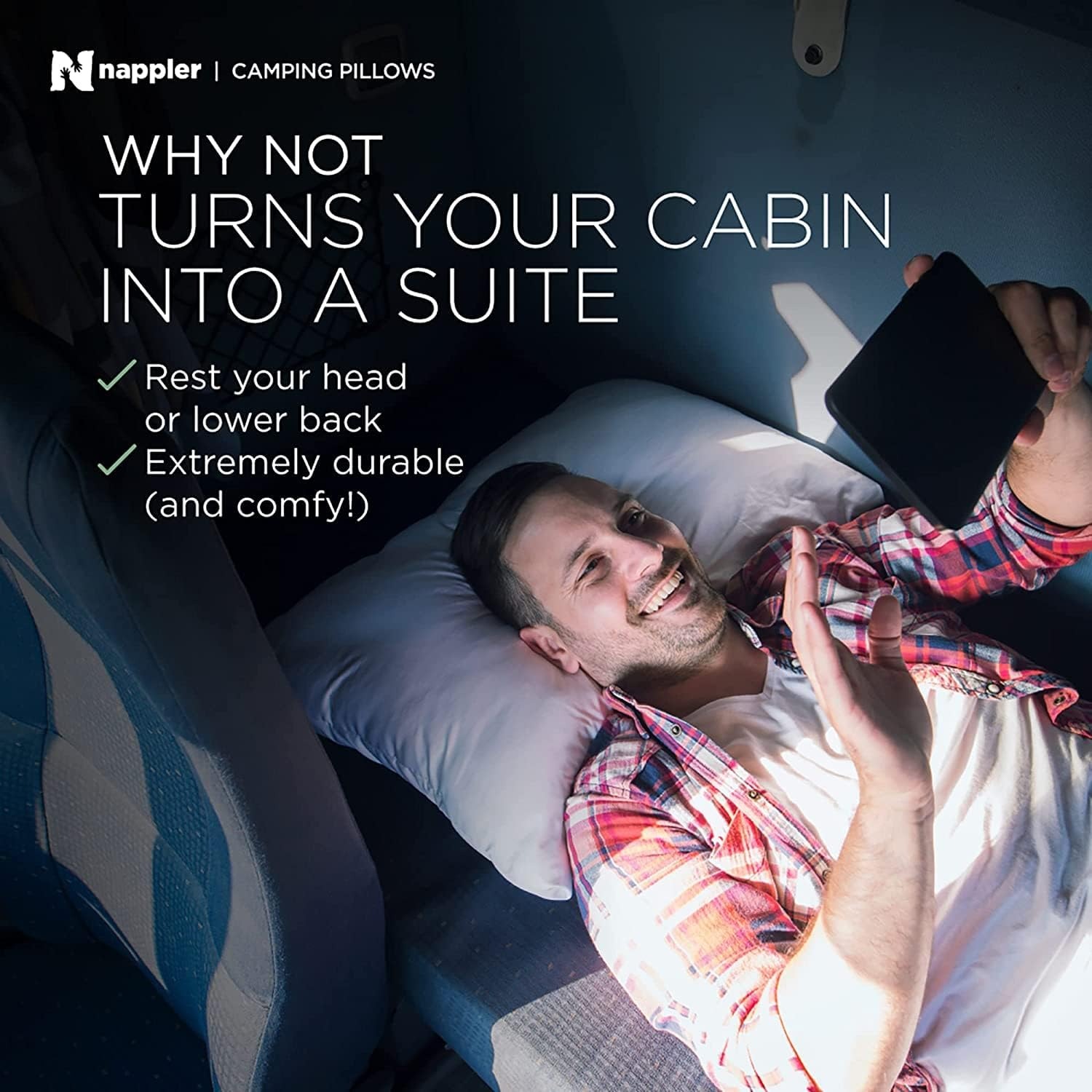
The size also makes it useful away from camping. It works as a lumbar cushion in a car seat, a prop for reading in a hammock, or a spare pillow on a camp bed when someone stays over.
The cover does more work than you think
The cover is a 35% viscose and 65% polyester blend, and it has ventilation holes through it.
Those holes are there for a practical reason. Foam traps heat. Air sitting between your face and a warm pillow has nowhere to go, and by the middle of the night you are flipping the pillow over looking for the cool side. Holes in the cover let air move through instead of pooling. It does not make the pillow cold, but it stops that stuffy, damp feeling.
The second thing the cover does is come off. Camping is dirty. Sunscreen, insect repellent, campfire smoke, dust from a trail, all of it ends up on your pillow. Being able to unzip the cover, put it in a normal wash and have a clean pillow next weekend is the difference between a pillow you keep and one you quietly throw out after two seasons.
One rule to remember. The cover goes in the machine. The shredded foam insert does not. Water gets trapped inside shredded fill, it takes days to dry, and a dryer can damage the foam. If the insert gets marked, spot clean it and let it dry completely in the air.
Who this suits
Car campers get the easiest win. Weight is not an issue for you, so you are really buying convenience, a washable cover, and something that stores small between trips.
Backpackers should think about the trade-off honestly. At 0.23 kg this is heavier than a bare inflatable pillow, which can be under 100 g. What you get back is comfort that does not depend on a valve holding, and a surface that does not squeak against a sleeping bag. If you have tried inflatables and disliked them, this is the obvious next step.
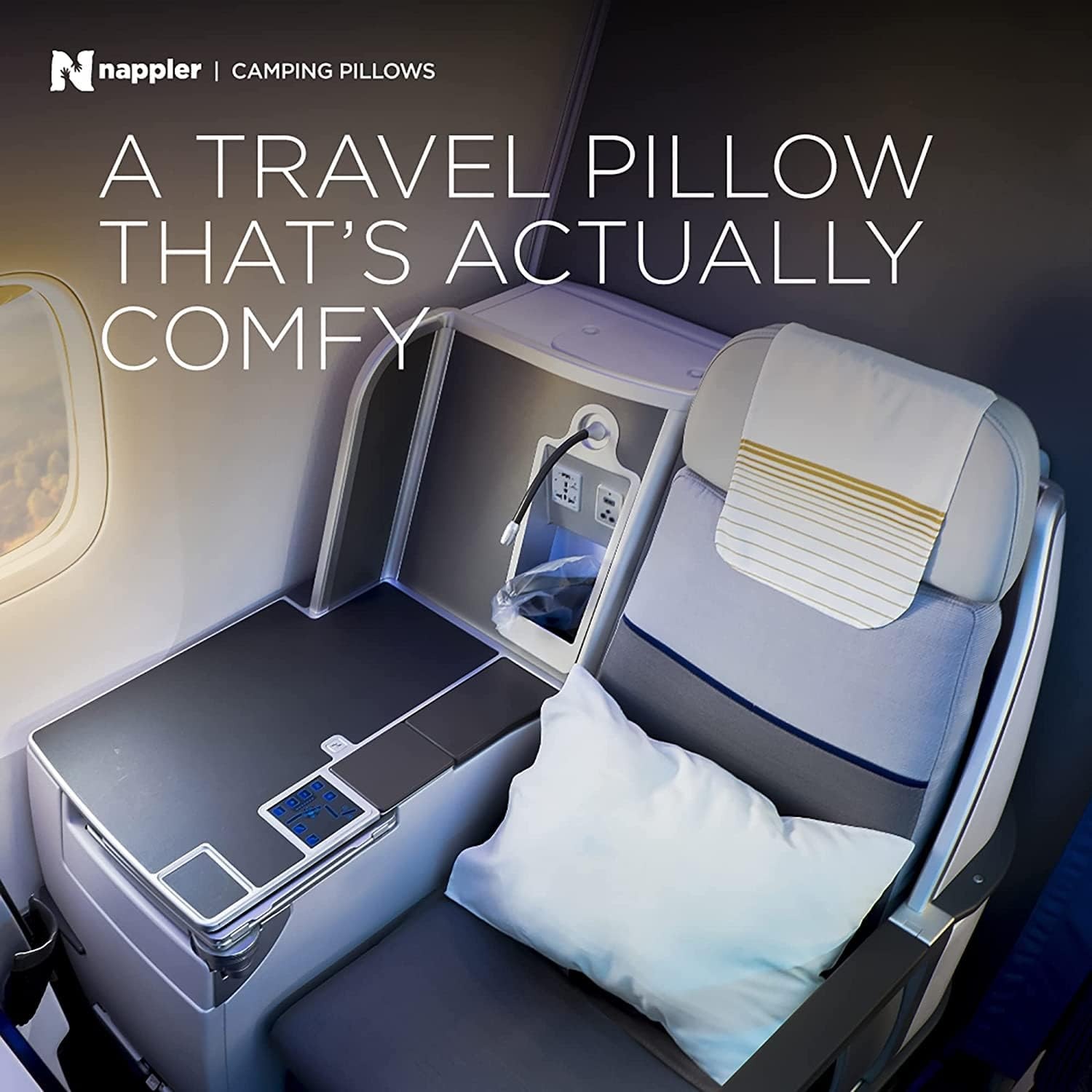
Flyers and long-distance drivers get good value out of the snap loop. Clip it to your bag and it never takes up luggage space. In a car, hang it from a grab handle and it stays off the floor.
Festival-goers want the washable cover more than anything. Four days of dust and spilled drinks will do things to a pillow that no amount of airing fixes.
Choosing between pillow types
If you are still weighing up options, it helps to be clear about what each type is good and bad at.
Inflatable pillows are the lightest and pack the smallest. They are also the loudest, the slipperiest, and the only type that can fail completely overnight. A puncture ends the trip for that pillow.
Compressible foam pillows, like this one, sit in the middle on weight and pack size and well ahead on comfort. There is nothing to inflate and nothing to fail. The downside is that they will never pack as small as a deflated bladder.
Stuff-sack pillows, where you push spare clothes into a fabric sleeve, weigh almost nothing. They are also lumpy and only work if you have soft spare clothes with you.
Full bed pillows are the most comfortable and the least practical. Fine in a car, impossible in a pack.
Getting the best out of it
Air it before the first trip. New foam products can have a faint manufacturing smell. Open the packaging, leave the pillow in a ventilated room for a day or two, and it fades.
Pack it properly. Roll it from one end and press as you go, feeding it into the case in stages. Trying to force the whole pillow in at once is the slow way.
Do not store it compressed at home. Leave it loose on a shelf or in the case without pressure. Shredded foam that spends months squashed is slower to recover its loft.
Keep it dry. Dampness is what ends foam pillows early. If it gets wet, let it dry fully before it goes back in its case or into a cupboard.
Wash the cover more than you think you need to. It takes ten minutes and keeps the whole thing feeling new.
The short version
This is a 48.3 cm by 33 cm shredded memory foam pillow that weighs 0.23 kg and squashes into a carry case. The cover is a viscose and polyester blend with ventilation holes, it unzips, and it goes in the washing machine. The foam does not. There is a snap loop on the back for clipping it to bags and car handles, and the feel is medium firm.
If your current camping pillow is a rolled jumper or an inflatable you have stopped trusting, this is the straightforward upgrade. Comfortable enough to sleep properly on, small enough that you will actually bring it.