
The complete guide
How To Choose Gazebo Side Walls That Actually Stay Put
The problem a gazebo roof does not solve
A pop up gazebo is one of those purchases that feels complete right up until the weather tests it. The first sunny day, it does its job. Then comes an afternoon where the sun drops low and slides in under the canopy, cooking everyone on the western side of the table. Or a shower rolls through with a bit of breeze behind it, and the rain comes in at a slant that the roof cannot touch.
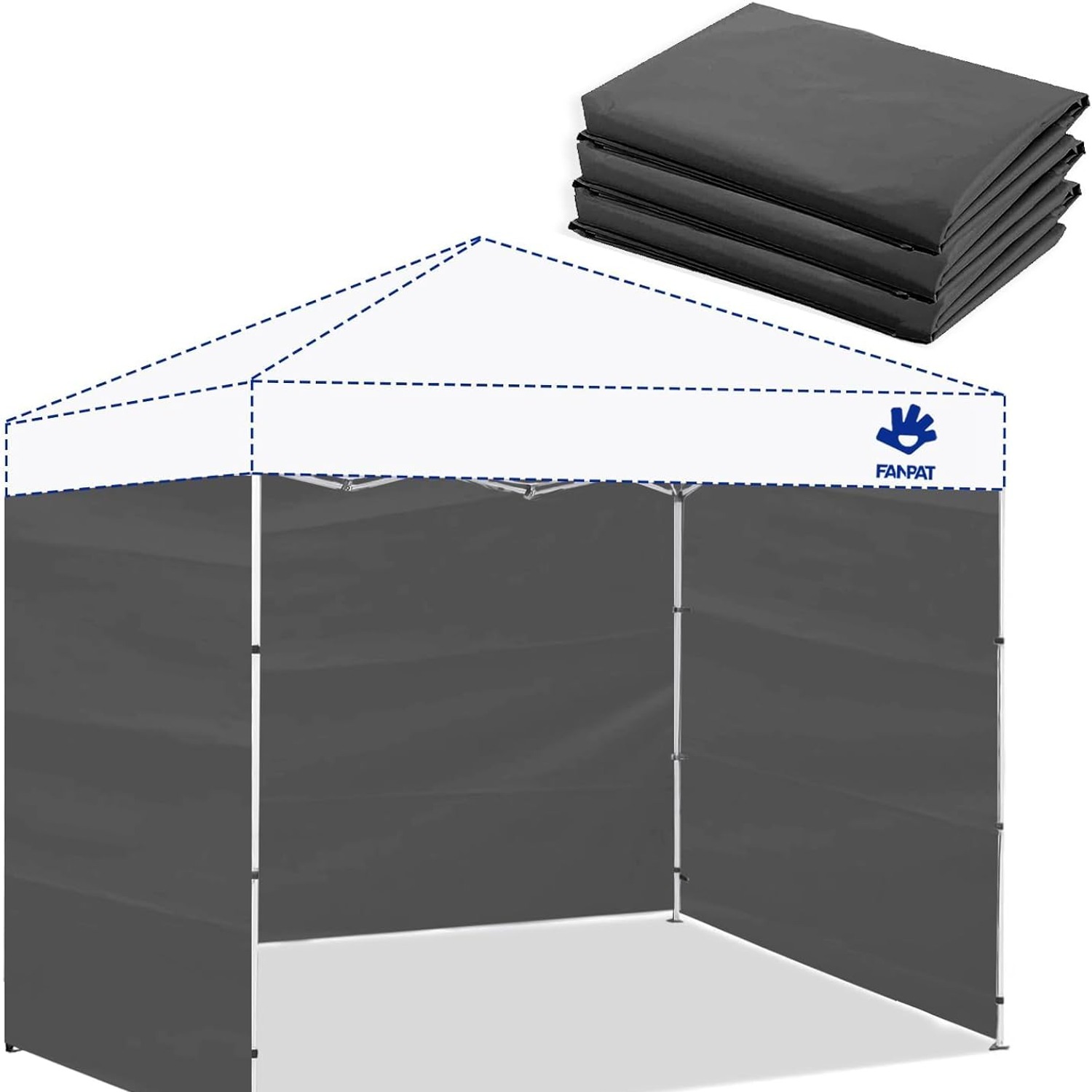
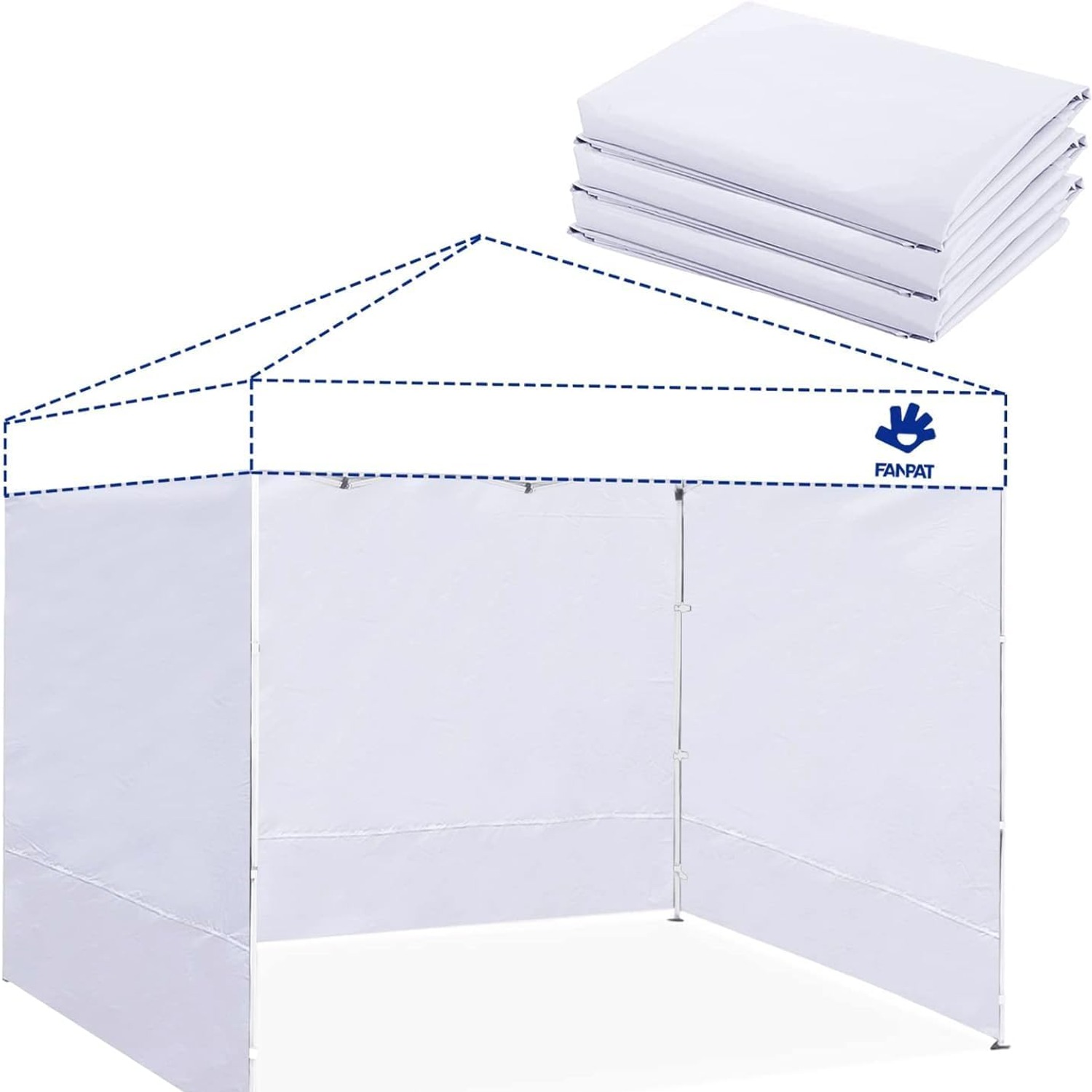
That is the gap side walls fill. They turn a shade structure into a shelter. Three panels on three sides, one side left open, and suddenly the space inside behaves like a room. Wind drops. Glare disappears. Light rain stops being a reason to pack up.
It is a small accessory that changes how often you actually use the gazebo you already paid for.
How side walls work
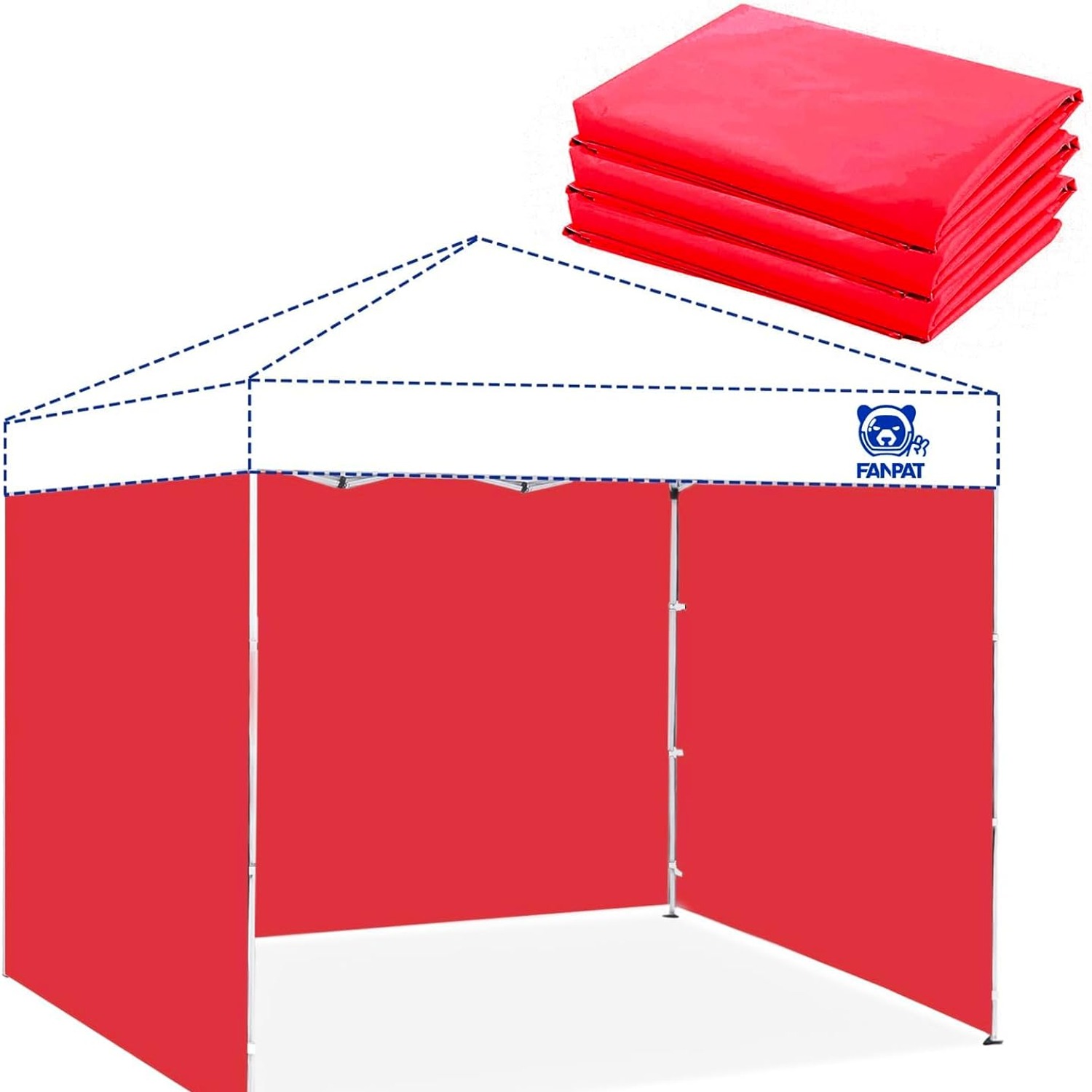
The idea is simple. Each panel is a sheet of fabric sized to match one side of the frame. It attaches along the top beam and down the legs, hanging as a flat barrier between the inside of the gazebo and the weather outside.
Attachment is where products differ most. Some use zips sewn to the canopy, which means you are locked into one brand. Some use ties, which take ages and come undone. This set uses hook and loop strips, which is the most forgiving option. The strips wrap around the frame tubing and press closed on themselves, so they do not care what brand your gazebo is or whether the beam is round or square. There is nothing to thread, nothing to tighten, and nothing to lose in the grass.
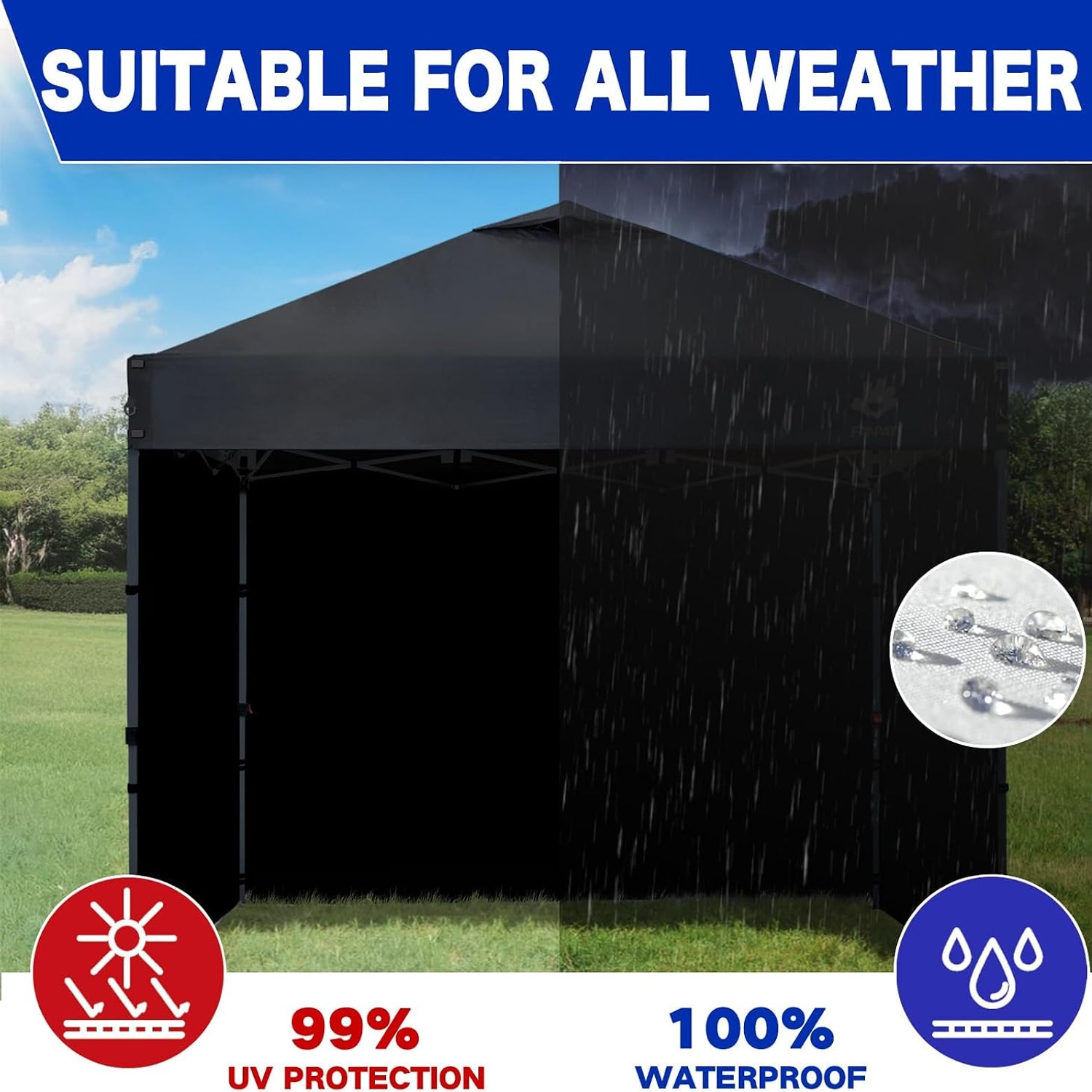
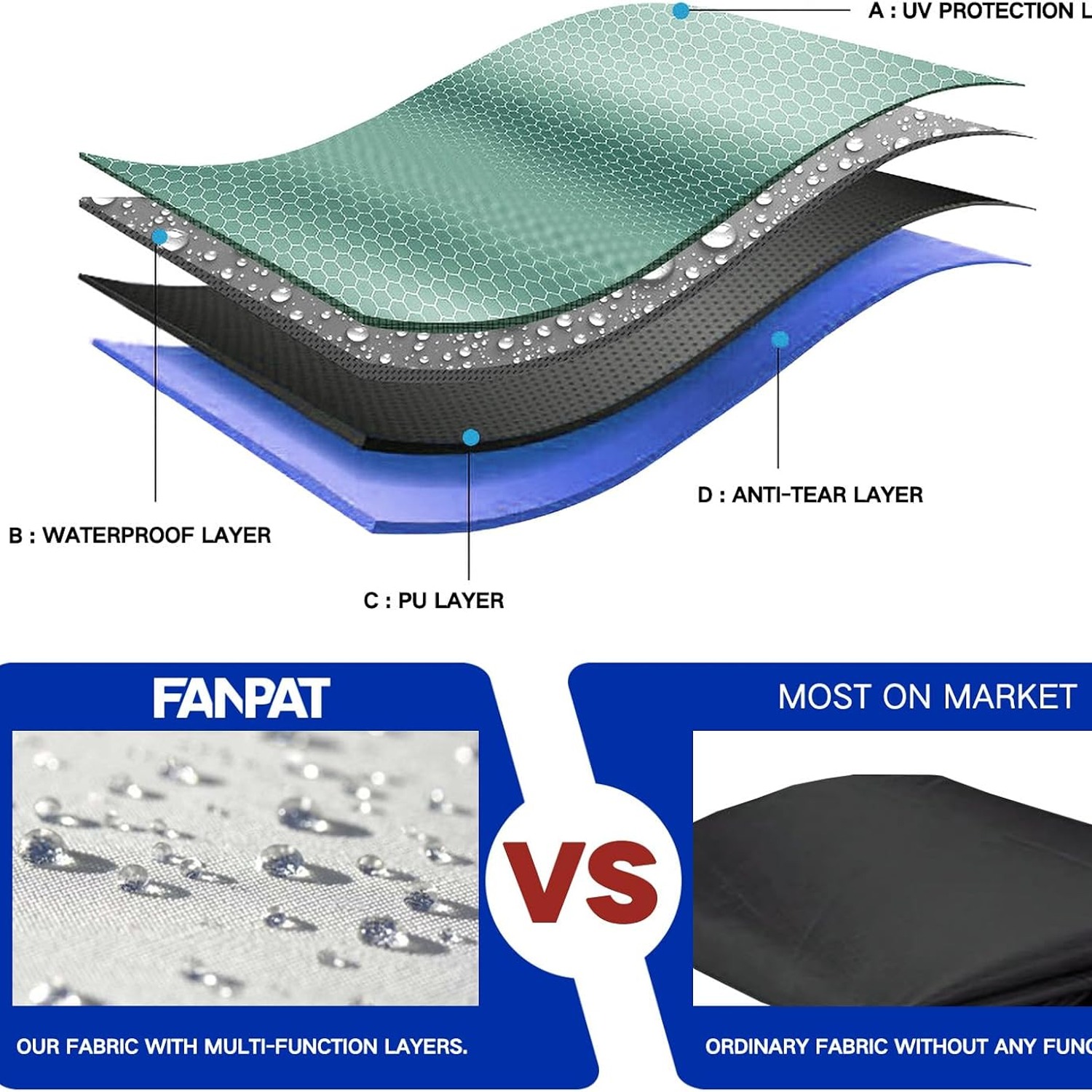
Fabric choice matters just as much. These panels are polyester with a waterproof finish and UV protection. The waterproofing means water beads and runs off instead of wicking through the weave. The UV side is often overlooked, but a panel that only blocks light while still letting heat radiate through is not doing much on a hot day. Blocking the sun from the side is the whole point of a side wall when the sun is low.
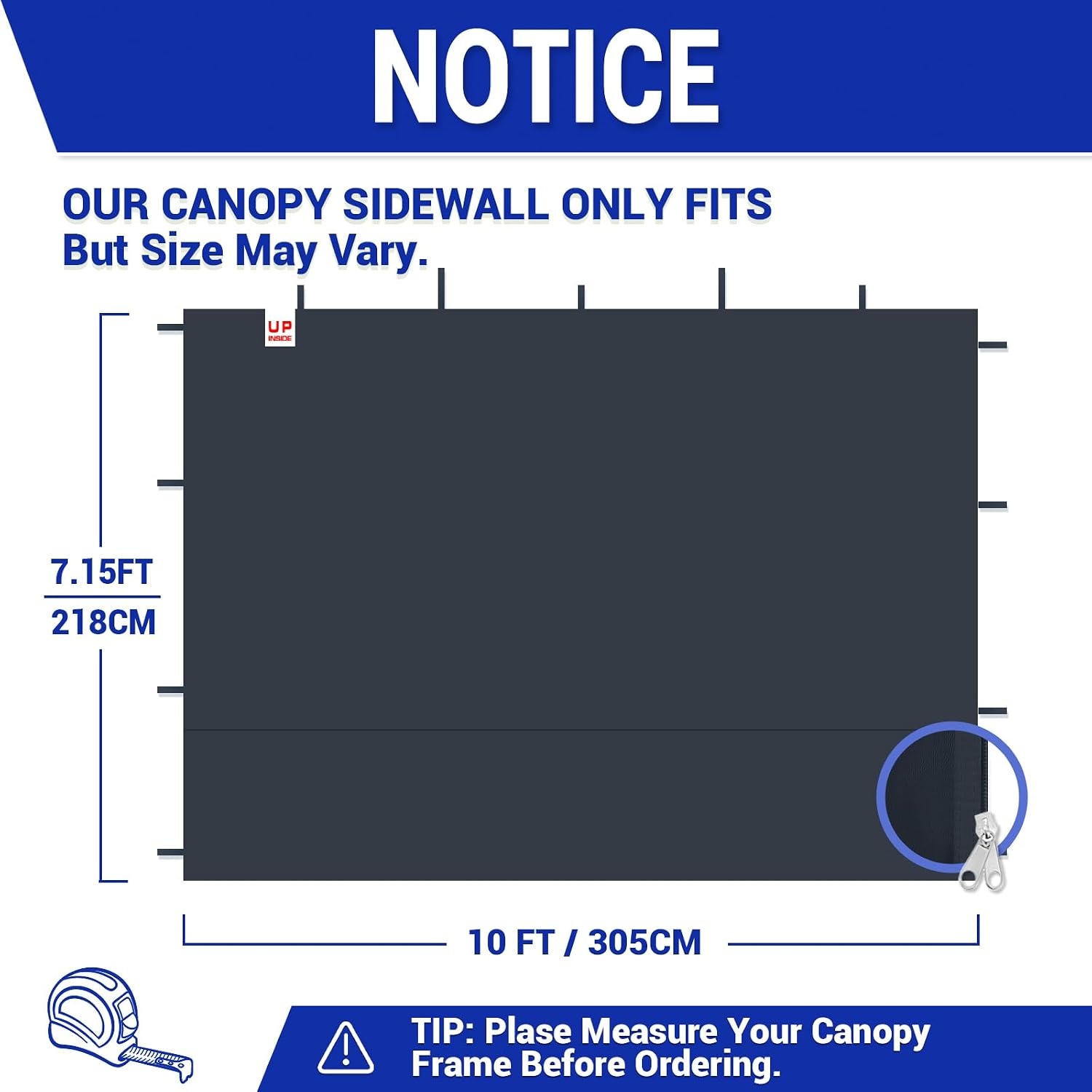
The set covers 9.3 square meters in total across three panels, with each panel listed at 3 meters wide and 0.86 meters high.
Who these suit
Market traders. If you have ever watched a breeze lift a stack of printed shirts off a trestle table, you know why stallholders fit side panels. They block gusts, they stop drizzle reaching stock, and they give you a plain dark backdrop that makes products stand out. Black is the color most traders ask for because it reads as neutral and hides the grime of a hundred market days.
Campers. Around a camp kitchen, a wind break is worth more than almost any other piece of gear. Cooking in wind is miserable, and gas stoves lose efficiency fast when air moves across them. Three walls up and you have a cooking and eating area that works.
Backyard hosts. Birthday parties, long lunches, kids running around. Side walls keep the food area dry if the weather turns and stop the sun hitting the same corner of the table all afternoon. They also add a bit of privacy if your yard backs onto a footpath.
Worksites and events. Anywhere people need shade and a bit of shelter for a few hours, these do the job and pack away small afterwards.
Getting the size right
This is the one thing worth slowing down for. Gazebo sizes sound standard but are not always. The most common frame footprint is 3 x 3 meters, and these panels are built for that. Each one is 3 meters wide.
Height is where people get caught out. These panels are 0.86 meters high, so they cover a band rather than the full drop from beam to ground on a tall frame. That suits plenty of uses, including table height wind blocking and sun screening, but if you specifically want floor to roof coverage you need to check your leg height first.
Grab a tape measure and do two things. Measure the width of one side between the outer edges of the legs, and measure the vertical gap you want filled. Compare both to the panel figures. Two minutes with a tape saves a return.
Also worth noting, the gazebo canopy top is not included here. These are side walls only, intended for a frame you already have.
Setting them up without the hassle
Start with the side facing the prevailing wind, since that is the one that matters most. Hold the panel at one corner, line the top edge up with the beam, and press the first hook and loop strip closed around the tubing. Work along the beam, then down each leg.
A few things that make it easier:
Do it before the gazebo is fully loaded with tables and chairs, so you can walk the full length of each side. If it is breezy, have someone hold the loose end of the panel so it does not flap while you are fastening the other end. And decide early which side you want open, because moving a panel afterwards means undoing every strip.
Leave the open side facing away from the wind and towards wherever people are coming from. For a market stall, that is the aisle. For camping, that is usually the fire or the view.
One safety point. Walls increase the sail area of a gazebo noticeably. A frame that holds steady with just a roof can get pushed around with three sides fitted. Weight the legs properly, peg down if you are on grass, and take the walls off if the wind picks up seriously. It is far quicker to remove three panels than to repair a bent frame.
Keeping them in good shape
Polyester with a waterproof coating is low maintenance, but the coating is the part you need to protect.
Clean with a damp cloth and mild soapy water. That handles mud, bird mess and the general grime of outdoor storage. Skip the bleach, skip solvents, and skip the stiff brush, because all three attack the coating that makes the fabric waterproof in the first place. No machine washing either, which will wreck both the finish and the hook and loop strips.
Drying matters more than cleaning. Polyester packed away damp grows mold, and mold smell is very hard to get out of coated fabric. After a wet event, hang the panels over a fence or a line until they are properly dry, then fold or roll them.
Keep the hook and loop strips clean. Grass seeds, sand and dust embed themselves in the hooks and stop them gripping. A quick brush with your hand or an old toothbrush before packing up keeps them working for years.
Store rolled rather than tightly creased, in a dry bag or tub, away from direct sun.
Common questions before you buy
Can I close all four sides? You would need two sets, using four of the six panels. That works, but leave a gap for airflow, especially if anyone is cooking underneath.
Will they stop wind completely? No fabric panel does. They cut it a lot, which is what makes the space comfortable, but treat them as a wind break rather than a wall.
Do they come with windows? No windows are listed in the product details. These are solid panels, which is the right choice if privacy and shade are your priorities.
What happens at the corners? Because the strips wrap the legs, adjacent panels meet naturally at each corner. A small overlap is normal and helps block draughts.
The short version
If you own a 3 x 3 meter gazebo and only use it on perfect days, side walls are the cheapest way to make it useful far more often. This set gives you three waterproof polyester panels with UV protection, hook and loop attachment and 9.3 square meters of coverage, in black, with no tools needed.
Measure your frame first, particularly the height, since each panel is 0.86 meters tall. Fit the panel facing the wind first. Take them down before a storm. Dry them before storing. Do those four things and you will get a lot of seasons out of a set that lives permanently in the trunk of the car.